


 ADD TO CART













| was: | |
| save: | |
ADD TO CART
Give Your Body the Nutritional Support It Needs For Rehab†
When a debilitating stroke strikes a family member, there's no other way to describe it other than heart wrenching. Life as you and the beloved know it has been completely flipped upside down. The important thing to remember is, normalcy can be regained.
The goal of rehabilitation is to regain all function and emotional stability as quickly as possible. And one critical part of it is nutritional support.
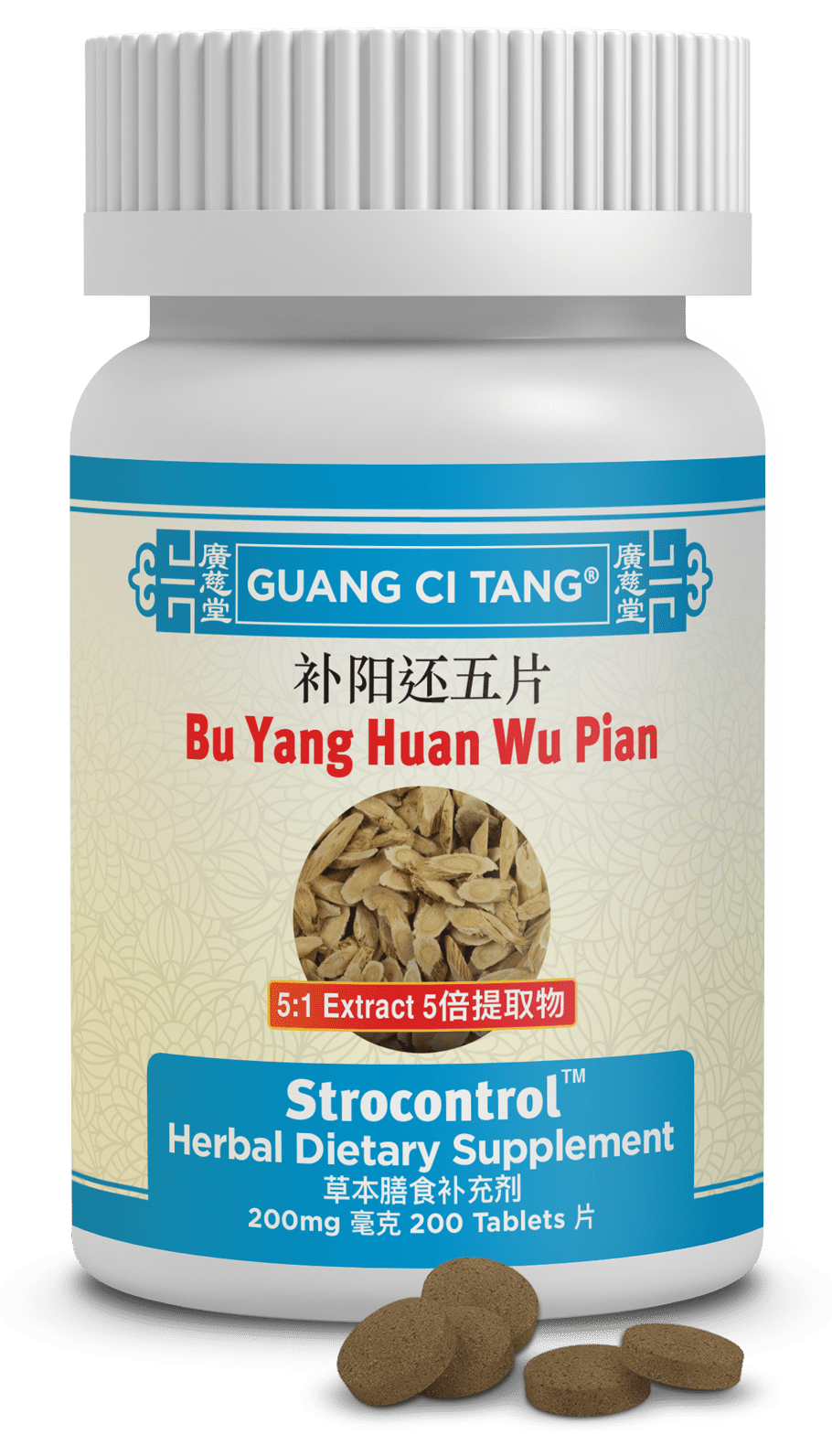
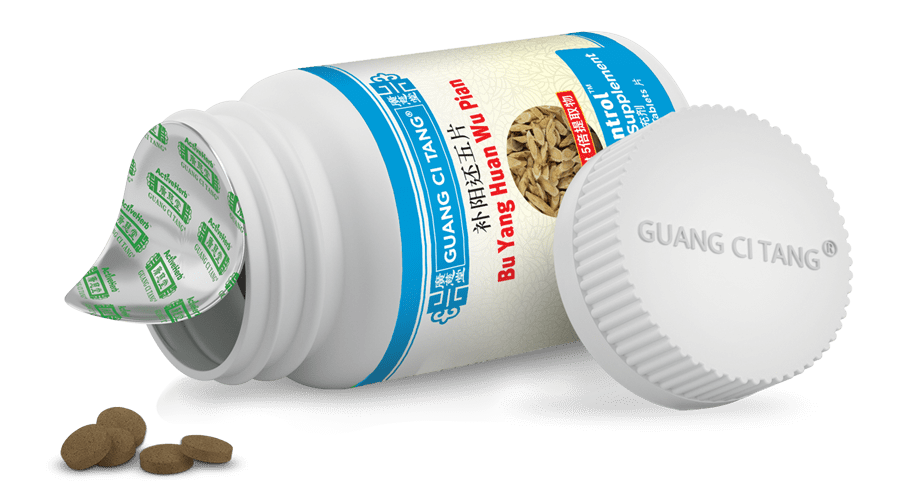
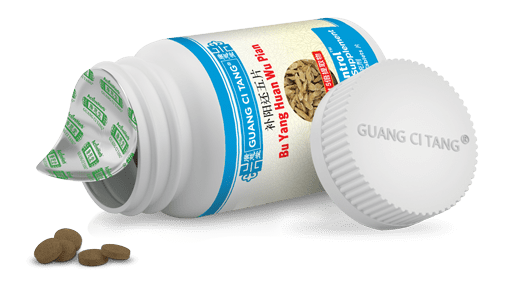
Strocontrol™ (Bu Yang Huan Wu Pian), an all-natural traditional Chinese medicine (TCM) formula may help in this regard.
Proven, Ancient Formula Tonifies Qi, Invigorates Blood and Clears Meridians
From a Western medicine perspective, strokes are caused by a blocked artery or leaking/burst blood vessel. TCM theory examines the root cause of why the artery is blocked or why the blood vessel has burst. One reason is blood stasis. Think of blood stasis as a stagnant swamp. Oxygen-rich blood is unable to flow freely. Metabolic waste accumulates like algae in a pond.
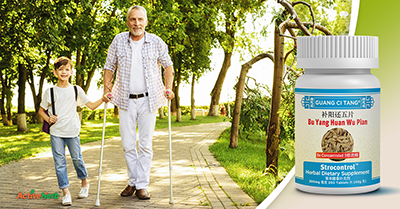 Common problems for post-stroke patients, according to TCM theory, are Qi deficiency, blood stasis, and blockage of channels. Accordingly, Chinese medicines are developed with the focus on supplementing Qi, invigorating the Blood and clearing the meridians.
Supporting a normal blood circulation throughout the body is a key element in rehab. Strocontrol augments Qi, which benefits blood circulation. It's storied history - 400 years - as a blood tonic is now supported by studies.
How Does Bu Yang Huan Wu Tang Pian Work?
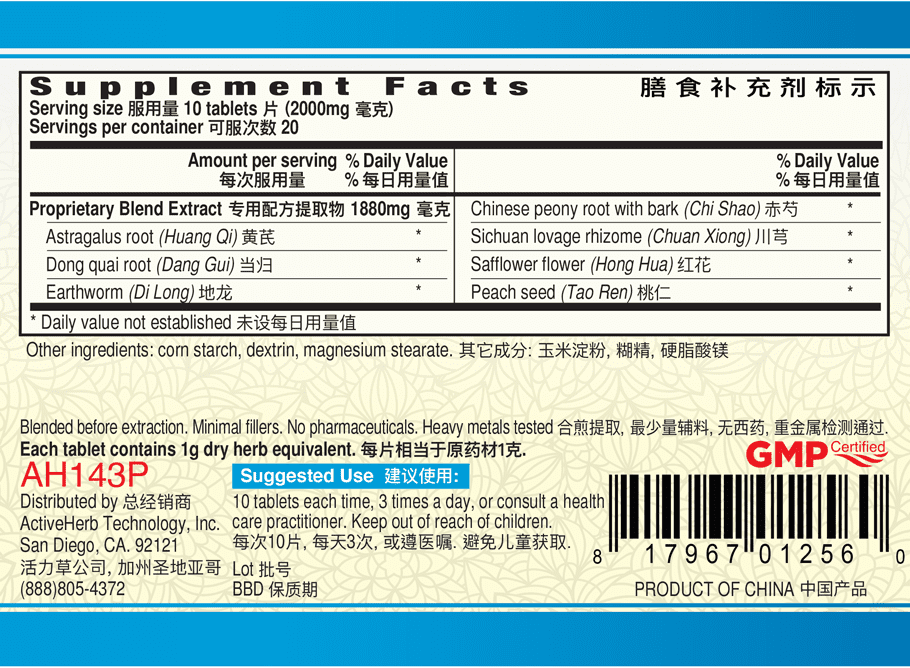
Huang Qi (Astragalus Root) is the chief herb used in a large amount in the formula. It jumpstarts Qi, which in turn supports blood circulation. Huang Qi also promotes detoxification, as does Dang Gui (Chinese Angelica Root), which also nourishes and invigorates Blood.
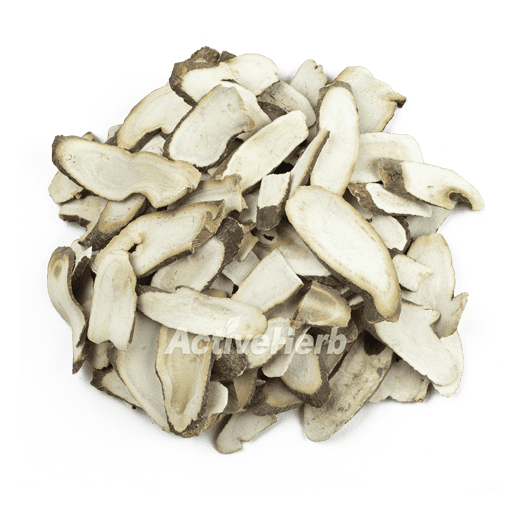
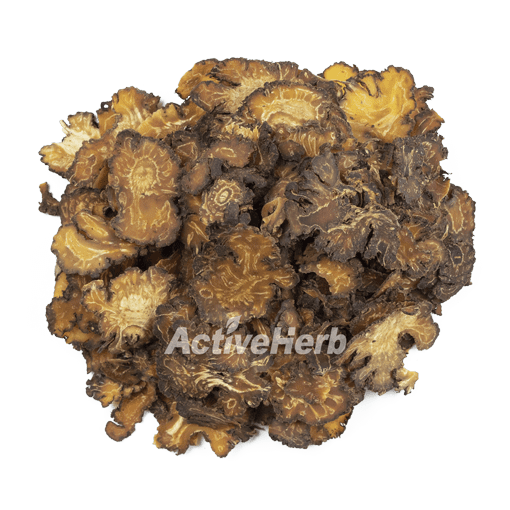
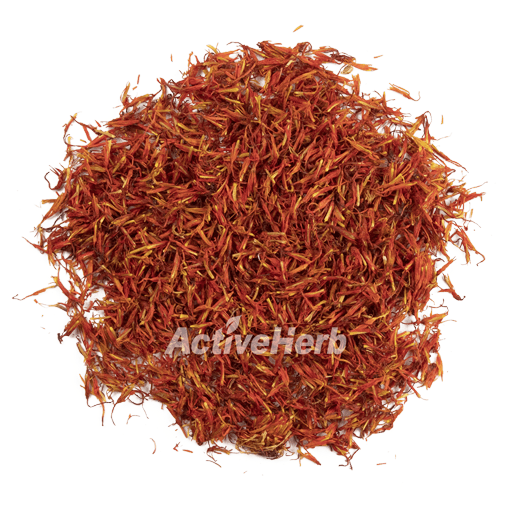
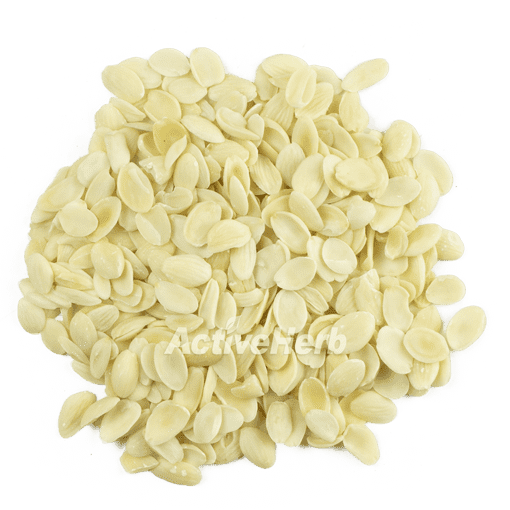
Chi Shao (Red Peony Root), Chuan Xiong (Szechuan Lovage Rhizome), Hong Hua (Safflower), Tao Ren (Peach Kernel) all invigorate the blood and dispel blood stasis.
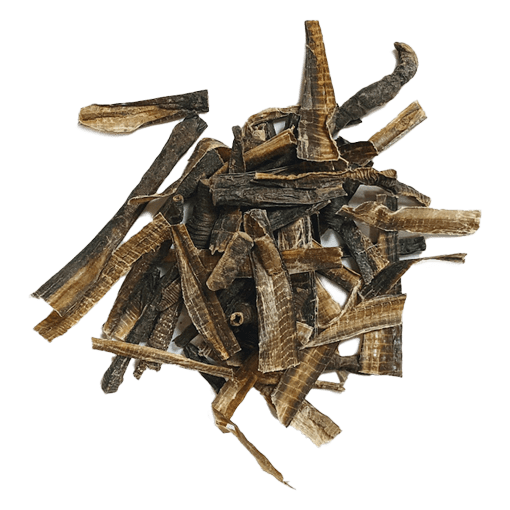
Di Long (Earthworm), clears the collaterals/meridians.
| English Name | Latin | Pinyin |
|---|---|---|
| Astragalus root | Astragalus membranaceus | Huang Qi |

|
||
| Dong quai root | Angelica sinensis | Dang Gui |
| Earthworm | Di Long | |
| Chinese peony root with bark | Paeonia lactiflora | Chi Shao |
| Sichuan lovage rhizome | Ligusticum chuanxiong | Chuan Xiong |
| Safflower flower | Carthamus tinctorius | Hong Hua |
| Peach seed | Prunus persica | Tao Ren |

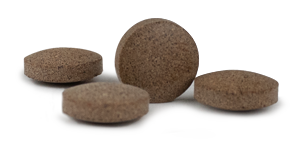
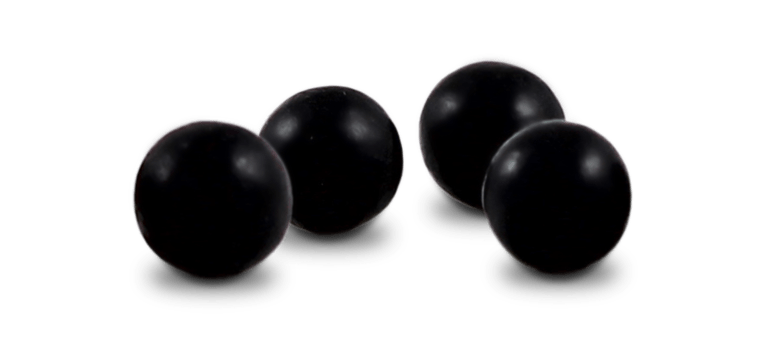
tablets are made with all natural herbs that are tested for authenticity, quality, and potency. A traditional water decoction is prepared with the herbs to reproduce the time-tested action of the formula, and this water decoction is concentrated with our proprietary technology to form a potent extract that is made into easily absorbed tablets, which are remarkably effective, easy to use, and safe. pills are made with all natural herbs that are tested for authenticity, quality, and potency. A traditional water decoction is prepared with the herbs to reproduce the time-tested action of the formula, and this water decoction is concentrated with our proprietary technology to form a potent extract that is made into classic pills, which are remarkably effective, easy to use, and safe.
The tablets are produced by Guang Ci Tang® in our state of the art cGMP-certified facility and imported in accordance with U.S. FDA guidelines. When you choose Guang Ci Tang® products, you are taking advantage of a wonderful fusion of science and tradition that incorporates the highest standards in the field of Chinese medicine today.
Please note that our tablets may appear neutral in finishing and a little brittle. You may observe a tiny bit of fine powder at the bottom of your bottle and occasionally one or a couple of broken tablets after transportation. This is because unlike other manufacturers, our tablets are not coated as part of our effort to minimize the use of excipients and to make them as pure as possible. These tablets can also be easily dissolved in hot water to serve as tea.
The pills are produced by Guang Ci Tang® in our state of the art cGMP-certified facility and imported in accordance with U.S. FDA guidelines. When you choose Guang Ci Tang® products, you are taking advantage of a wonderful fusion of science and tradition that incorporates the highest standards in the field of Chinese medicine today.
Pure. Potent. Proven.
- True 5:1 concentration
- Double the strength of regular brands
- Minimal fillers and binders
- No pharmaceuticals or dyes
- Comprehensive lab testing (e.g., heavy metals,etc.)
- Made in a cGMP certified facility
- Unbeatable value
- Safely used in the USA since 1995
Check for an independent US lab test report.

Youngain™ is closely related to You Gui Pian and YanVive™ in nourishing kidney Yang. Youngain™ is the strongest.