


 ADD TO CART










| was: | |
| save: | |
ADD TO CART
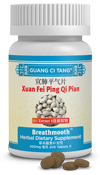
Support Smooth Breathing†
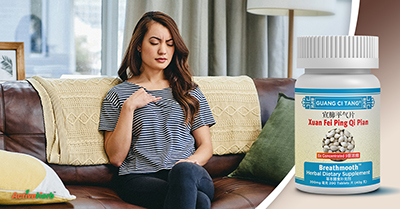
You could be standing in the most verdant, oxygen-rich rainforest on Earth. But you may still breathe as if you just climbed several floors. You simply like to lay down and rest.
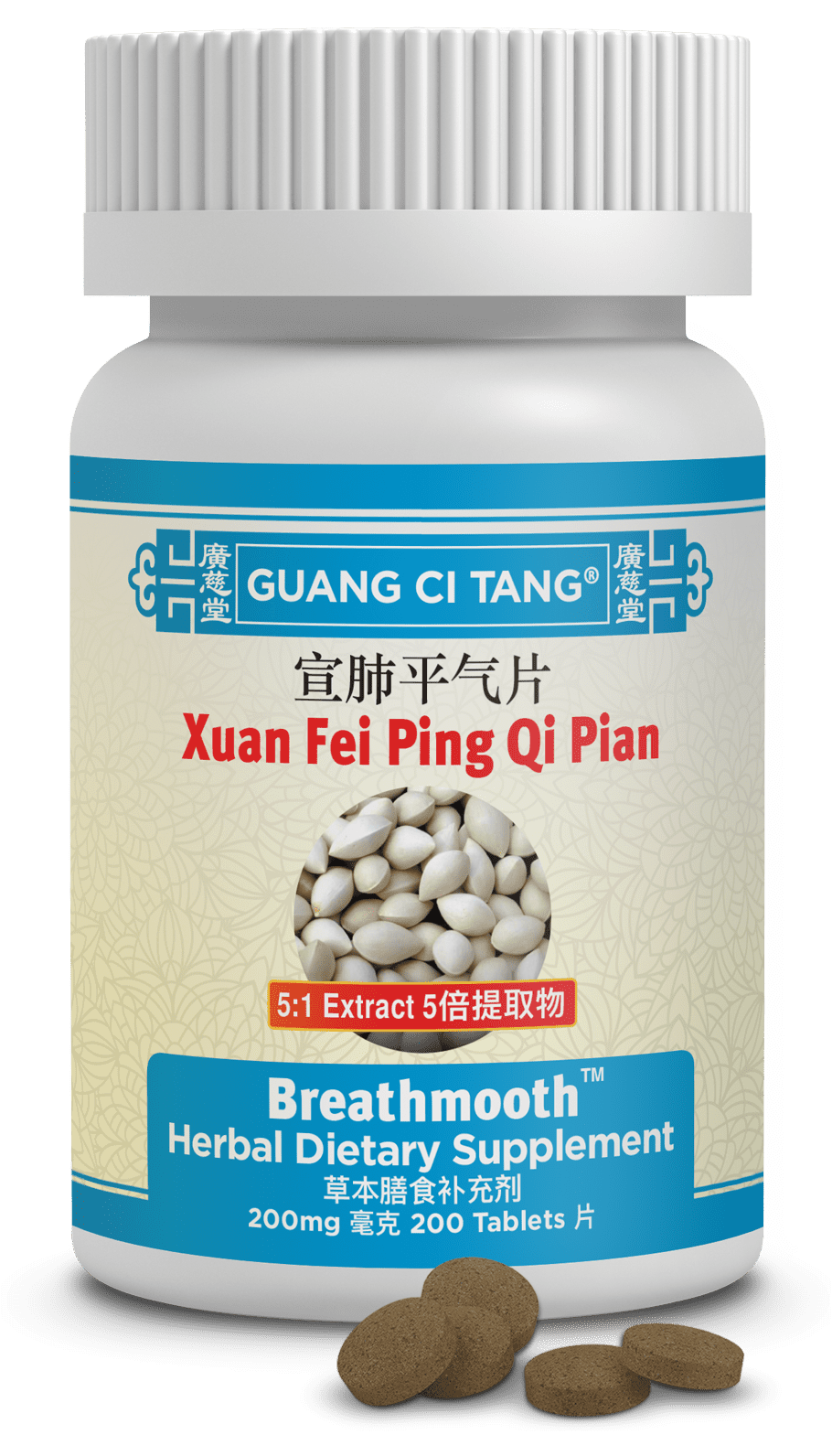
From the perspective of traditional Chinese medicine (TCM), our body is vulnerable to changes in the surrounding environment. Imagine how you may feel if standing in a windy weather for a while. Such external adverse conditions are referred as external evils, or straightforwardly Wind, in TCM. When it happens, airflow in the respiratory tract can be affected. Think of swallowing air in a windy cold weather to your lungs. Breathmooth is a Chinese herbal formula that releases the exterior and supports healthy lung function.
How does Breathmooth work?
 Breathmooth transforms and/or dispels Phlegm as well as Wind. Breathmooth also may offer support because of its ability to diffuse Lung Qi.
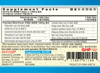
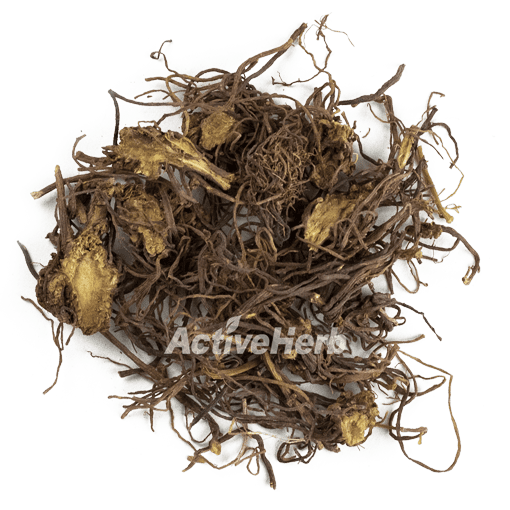
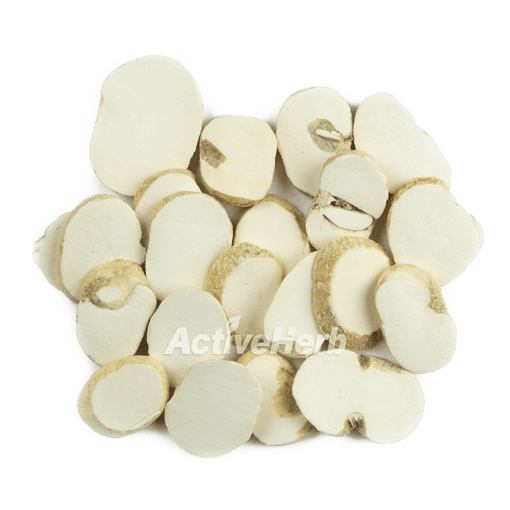
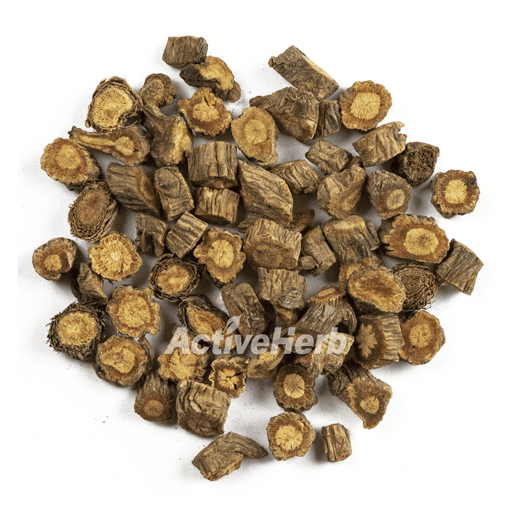
Jie Geng (Platycodon Root) ventilates the Lungs and dispels phlegm. Bai Qian (Cynanchum) descends Qi and expels phlegm. Qian Hu (Hogfennel Root) disperses wind, clears heat, directs Qi downward and transforms phlegm. Bai Bu (Stemona Root) moistens the Lungs and moves Qi downward. Jing Jie (Schizonepeta Herb) releases the exterior and disperses wind. Jiang Ban Xia (Pinellia) dries dampness and transforms phlegm. Bei Mu (Thunberg Fritillary Bulb) clears heat and transforms phlegm. Fang Feng (Siler Root) releases the exterior and dispels wind and dismisses dampness.
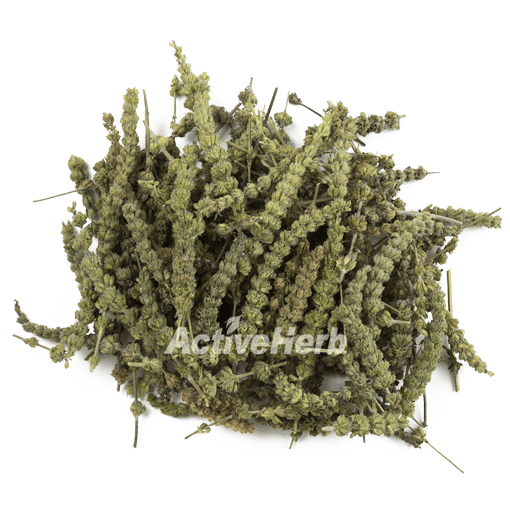
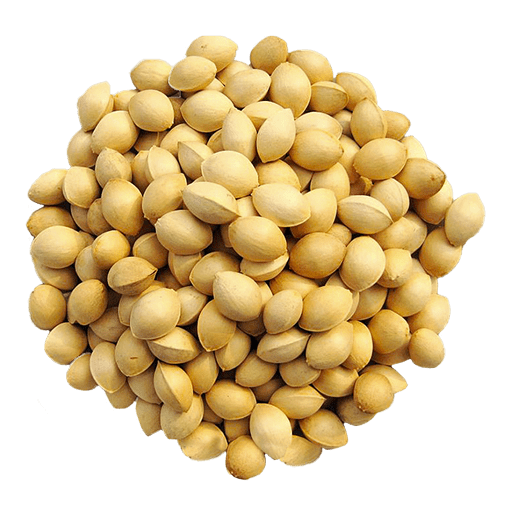
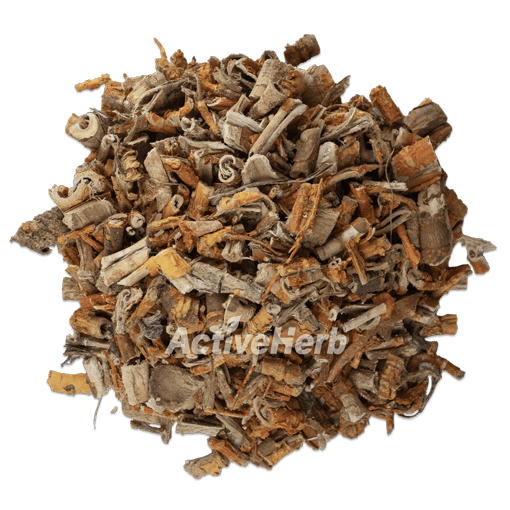
Sang Bai Pi (Mulberry Root Bark) drains the Lungs and is one of the most commonly used TCM herbs for supporting the airways. Bai Gao (Ginkgo Nut) also is a famous TCM herb for supporting the airways because it astringes the Lungs and expels Phlegm. Zi Su Zi (Perilla seed) also supports the airways by redirecting rebellious Lung Qi downward. In addition, it dissolves phlegm. The last herb in the formula, Ting Li Zi (Lepidium Seed), also supports the respiratory airways by draining the Lungs.
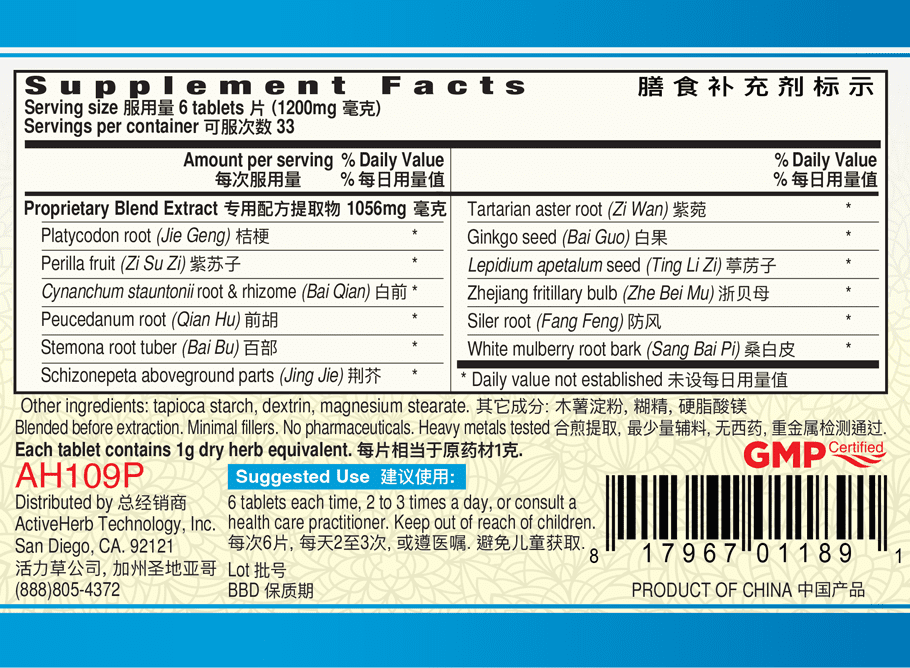
| English Name | Latin | Pinyin |
|---|---|---|
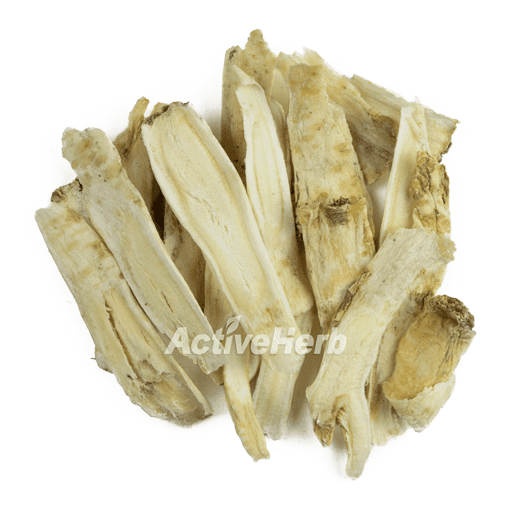
| Platycodon root | Platycodon grandiflora | Jie Geng |
|
||
| Perilla fruit | Perilla frutescens | Zi Su Zi |
| Cynanchum stauntonii root & rhizome | Cynanchum stauntonii | Bai Qian |
| Peucedanum root | Peucedanum praeruptorum | Qian Hu |
| Stemona root tuber | Stemona sessilifolia | Bai Bu |
| Schizonepeta aboveground parts | Schizonepeta tenuifolia | Jing Jie |
| Tartarian aster root | Aster tataricus | Zi Wan |
| Ginkgo seed | Ginkgo biloba | Bai Guo |
| Lepidium apetalum seed | Lepidium apetalum | Ting Li Zi |
| Zhejiang fritillary bulb | Fritillaria thunbergii | Zhe Bei Mu |
| Siler root | Saposhnikovia divaricata | Fang Feng |
| White mulberry root bark | Morus alba | Sang Bai Pi |
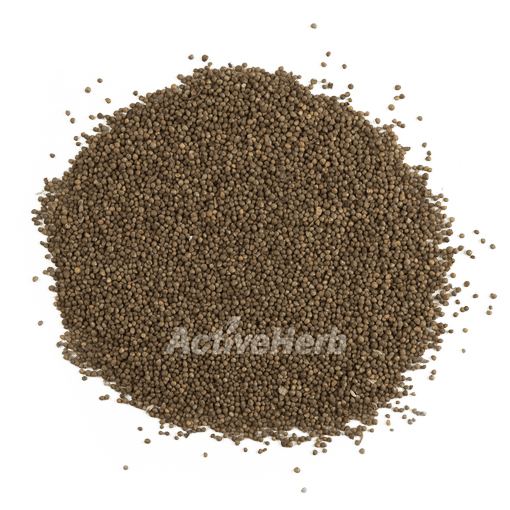
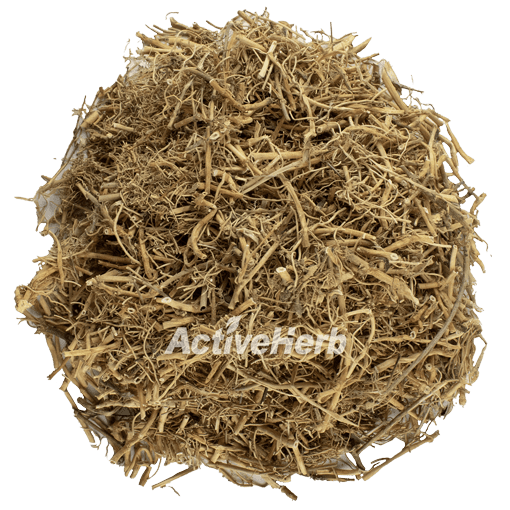
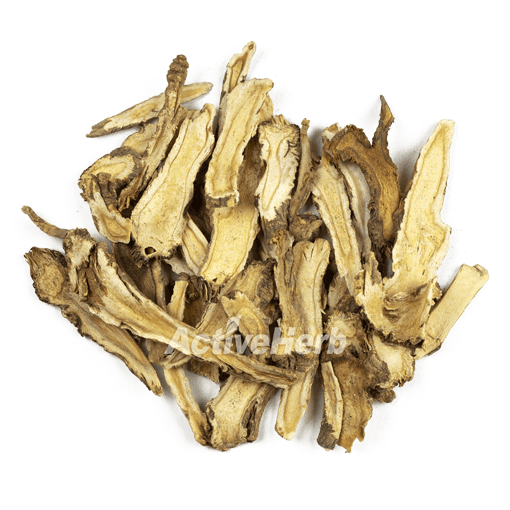
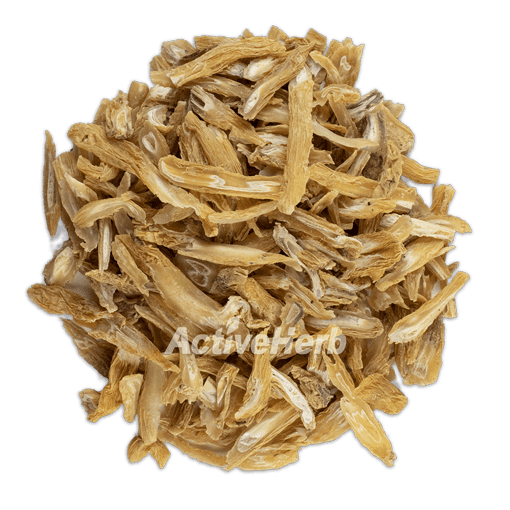
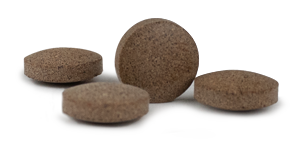
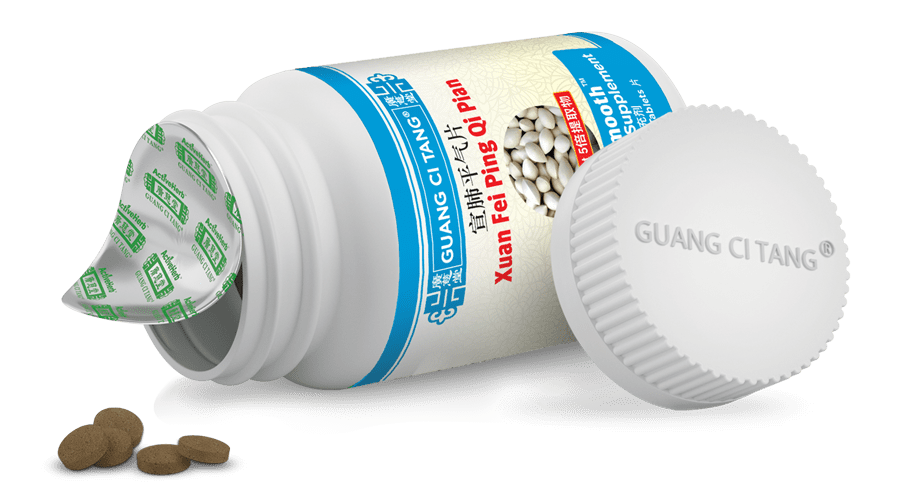
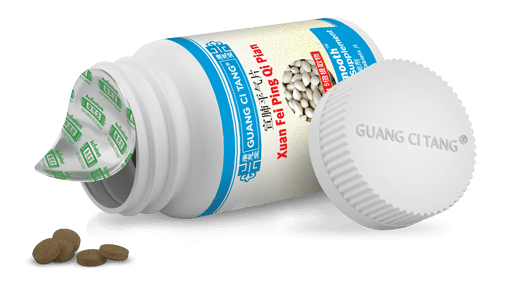
tablets are made with all natural herbs that are tested for authenticity, quality, and potency. A traditional water decoction is prepared with the herbs to reproduce the time-tested action of the formula, and this water decoction is concentrated with our proprietary technology to form a potent extract that is made into easily absorbed tablets, which are remarkably effective, easy to use, and safe. pills are made with all natural herbs that are tested for authenticity, quality, and potency. A traditional water decoction is prepared with the herbs to reproduce the time-tested action of the formula, and this water decoction is concentrated with our proprietary technology to form a potent extract that is made into classic pills, which are remarkably effective, easy to use, and safe.
The tablets are produced by Guang Ci Tang® in our state of the art cGMP-certified facility and imported in accordance with U.S. FDA guidelines. When you choose Guang Ci Tang® products, you are taking advantage of a wonderful fusion of science and tradition that incorporates the highest standards in the field of Chinese medicine today.
Please note that our tablets may appear neutral in finishing and a little brittle. You may observe a tiny bit of fine powder at the bottom of your bottle and occasionally one or a couple of broken tablets after transportation. This is because unlike other manufacturers, our tablets are not coated as part of our effort to minimize the use of excipients and to make them as pure as possible. These tablets can also be easily dissolved in hot water to serve as tea.
The pills are produced by Guang Ci Tang® in our state of the art cGMP-certified facility and imported in accordance with U.S. FDA guidelines. When you choose Guang Ci Tang® products, you are taking advantage of a wonderful fusion of science and tradition that incorporates the highest standards in the field of Chinese medicine today.
Pure. Potent. Proven.
- True 5:1 concentration
- Double the strength of regular brands
- Minimal fillers and binders
- No pharmaceuticals or dyes
- Comprehensive lab testing (e.g., heavy metals,etc.)
- Made in a cGMP certified facility
- Unbeatable value
- Safely used in the USA since 1995
Check for an independent US lab test report.

Youngain™ is closely related to You Gui Pian and YanVive™ in nourishing kidney Yang. Youngain™ is the strongest.