


 ADD TO CART













| was: | |
| save: | |
ADD TO CART
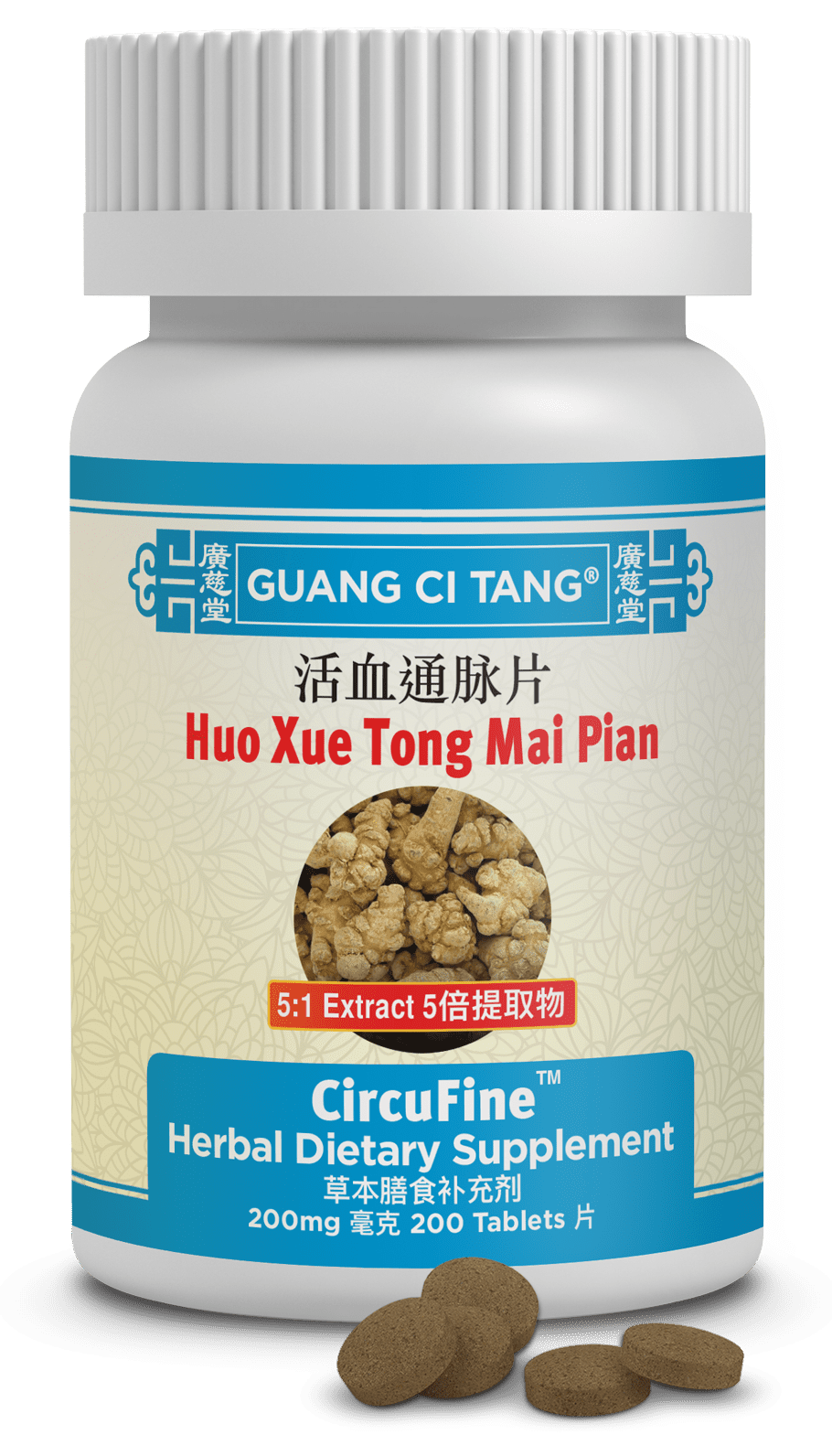
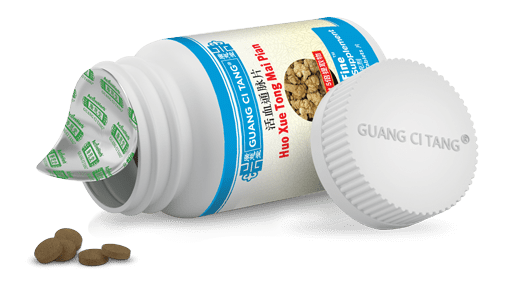
In TCM, many of the signs associated with poor circulation are described as "blood stagnation". These signs include blue color of the nails and lips, cold limbs, even occasional tight chest. Huo Xue Tong Mai Pian is a general formula used to support the circulation of blood with its unique combination of ingredients.†
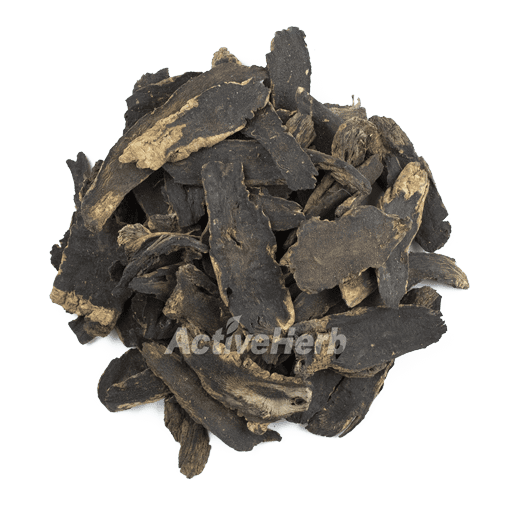
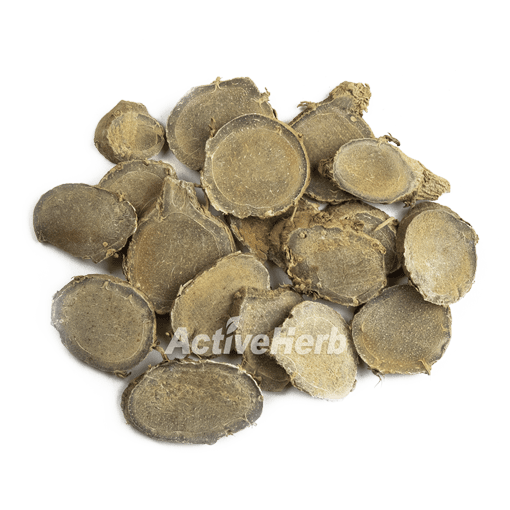
Huo Xue Tong Mai Pian combines several famous blood-moving Chinese herbs together based on classical pairings established over centuries. San Leng (Sparganium rhizome) and E Zhu (Zedoria rhizome) combine together to achieve a potent blood-moving effect, and these two herbs are considered to be an indispensable pair for conditions of blood stasis.
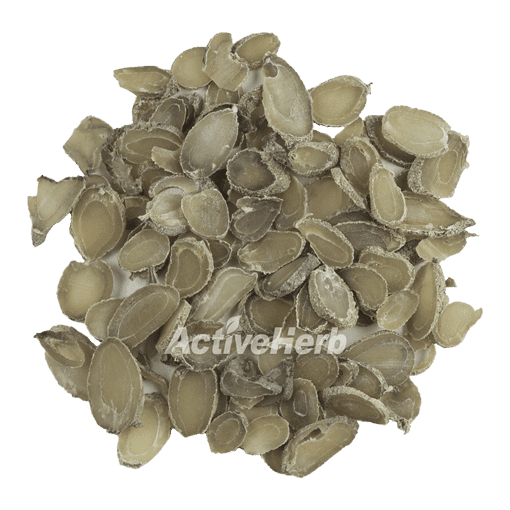
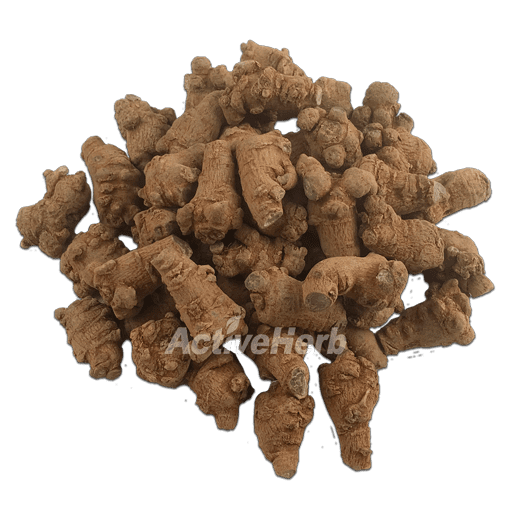
 Dan Shen (Salvia root) and San Qi (Notoginseng root) are each famous for supporting cardiovascular health. Dan Shen helps to improve microcirculation and has broad-ranging benefits for the heart and circulatory system. San Qi is considered essential for supporting circulation in the coronary arteries. They combine together to form a key aspect of this formula's blood-regulating function.
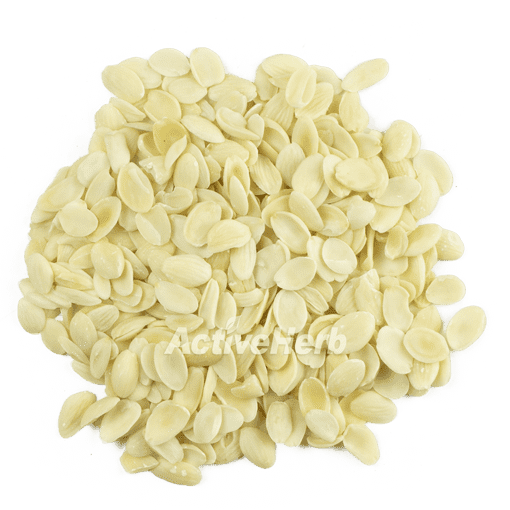
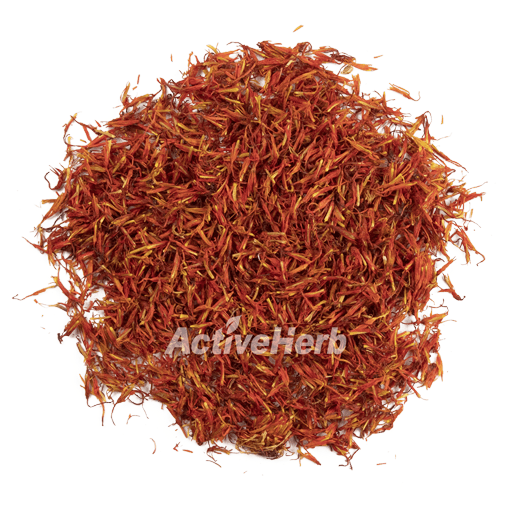
Tao Ren (Peach kernel) and Hong Hua (Safflower) are herbs that have been used together for over a thousand years. Tao Ren, the inner kernel of a peach pit, is one of the oldest herbs known to Chinese medicine, and it has been a quintessential herb for removing blood stagnation throughout history. Hong Hua, which consists of beautiful red safflower petals, is its traditional herbal companion, and the two herbs are a key component in a wide range of formulas used for invigorating blood.
Xuan Shen (Scrophularia root) and Dang Gui (Chinese Angelica) nourish the body' blood and fluids while contributing unique actions to the formula. Xuan Shen is cooling and balances the formula' warm nature according to Chinese medical principles, and its moist nature balances the naturally acrid, dispersing action of the main blood-moving herbs within the formula. Dang Gui simultaneously nourishes the blood and moves the blood.
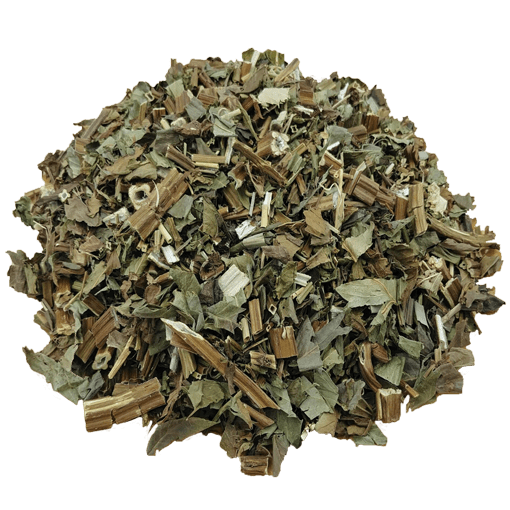
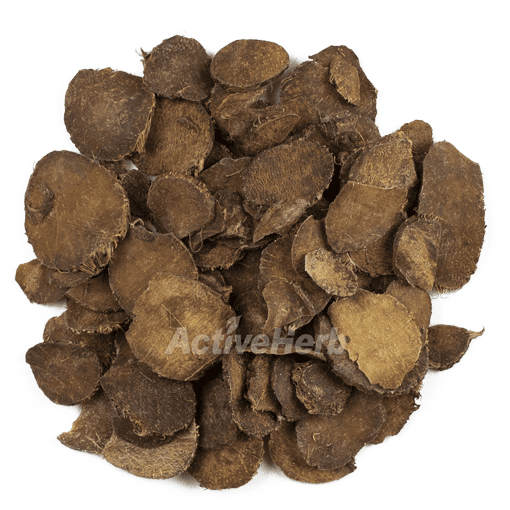
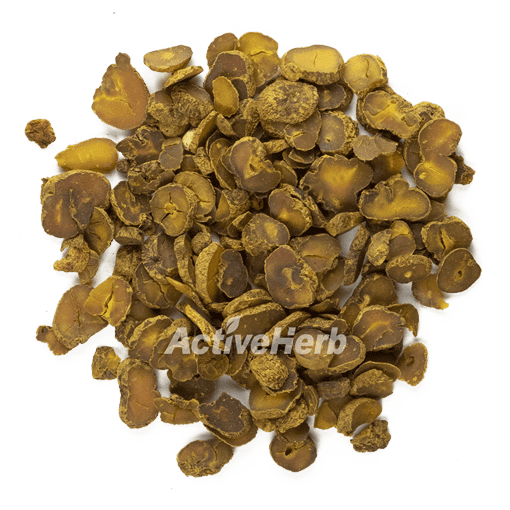
Finally, Yu Jin (Curcuma root), Ze Lan (Lycopus), and Yan Hu Suo (Corydalis root) round out the formula by expanding its ability to move the blood. Yan Hu Suo is famous in Chinese medicine for unblocking Qi and Blood stasis.
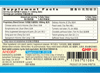
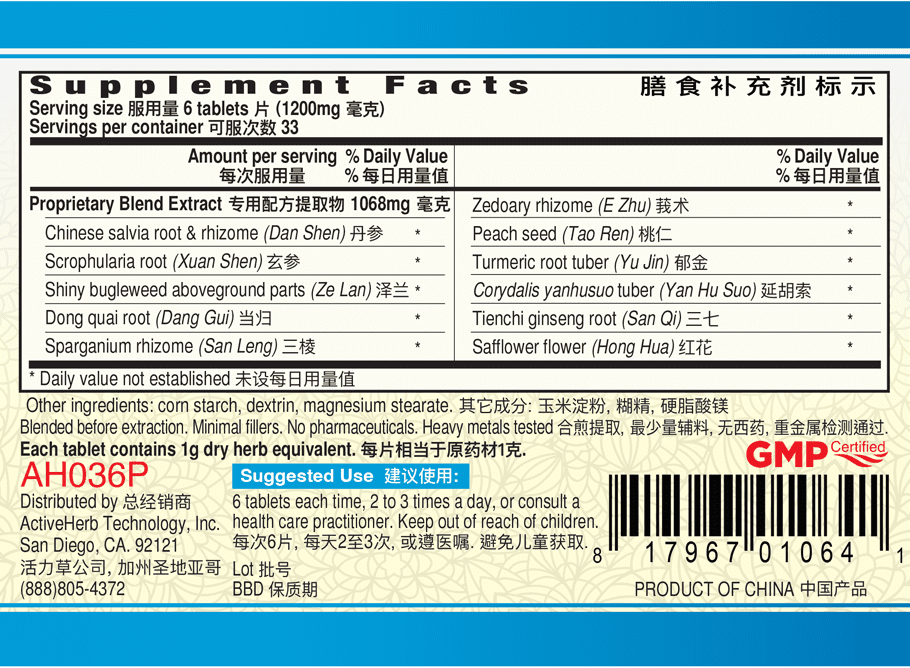
| English Name | Latin | Pinyin |
|---|---|---|
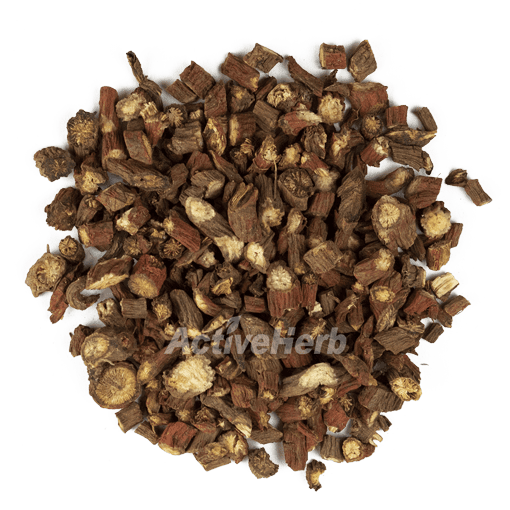
| Chinese salvia root & rhizome | Salvia miltiorrhiza | Dan Shen |
|
||
| Scrophularia root | Scrophularia ningpoensis | Xuan Shen |
| Shiny bugleweed aboveground parts | Lycopus lucidus | Ze Lan |
| Dong quai root | Angelica sinensis | Dang Gui |
| Sparganium rhizome | Sparganium stoloniferum | San Leng |
| Zedoary rhizome | Curcuma zedoaria | E Zhu |
| Peach seed | Prunus persica | Tao Ren |
| Turmeric root tuber | Curcuma longa | Yu Jin |
| Corydalis yanhusuo tuber | Corydalis yanhusuo | Yan Hu Suo |
| Tienchi ginseng root | Panax notoginseng | San Qi |
| Safflower flower | Carthamus tinctorius | Hong Hua |

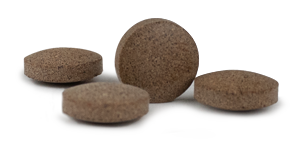
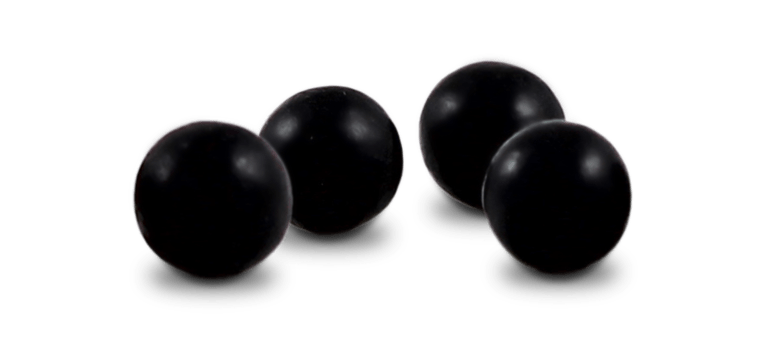
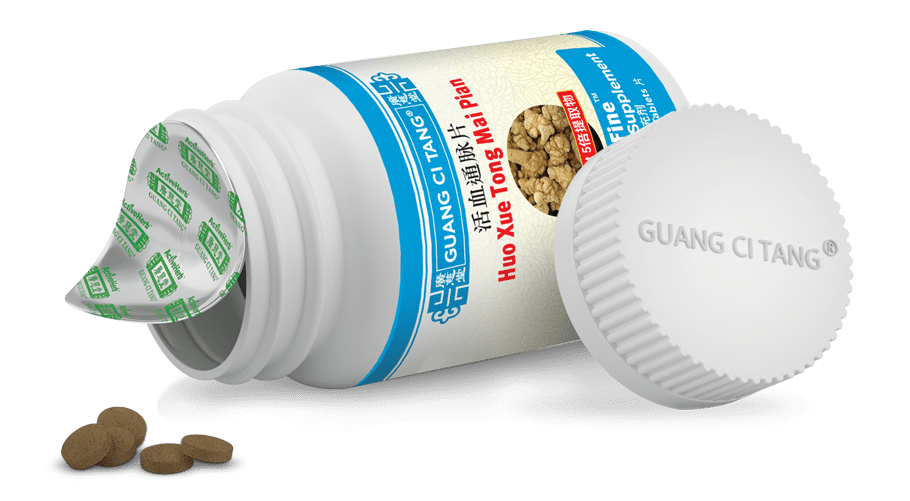
tablets are made with all natural herbs that are tested for authenticity, quality, and potency. A traditional water decoction is prepared with the herbs to reproduce the time-tested action of the formula, and this water decoction is concentrated with our proprietary technology to form a potent extract that is made into easily absorbed tablets, which are remarkably effective, easy to use, and safe. pills are made with all natural herbs that are tested for authenticity, quality, and potency. A traditional water decoction is prepared with the herbs to reproduce the time-tested action of the formula, and this water decoction is concentrated with our proprietary technology to form a potent extract that is made into classic pills, which are remarkably effective, easy to use, and safe.
The tablets are produced by Guang Ci Tang® in our state of the art cGMP-certified facility and imported in accordance with U.S. FDA guidelines. When you choose Guang Ci Tang® products, you are taking advantage of a wonderful fusion of science and tradition that incorporates the highest standards in the field of Chinese medicine today.
Please note that our tablets may appear neutral in finishing and a little brittle. You may observe a tiny bit of fine powder at the bottom of your bottle and occasionally one or a couple of broken tablets after transportation. This is because unlike other manufacturers, our tablets are not coated as part of our effort to minimize the use of excipients and to make them as pure as possible. These tablets can also be easily dissolved in hot water to serve as tea.
The pills are produced by Guang Ci Tang® in our state of the art cGMP-certified facility and imported in accordance with U.S. FDA guidelines. When you choose Guang Ci Tang® products, you are taking advantage of a wonderful fusion of science and tradition that incorporates the highest standards in the field of Chinese medicine today.
Pure. Potent. Proven.
- True 5:1 concentration
- Double the strength of regular brands
- Minimal fillers and binders
- No pharmaceuticals or dyes
- Comprehensive lab testing (e.g., heavy metals,etc.)
- Made in a cGMP certified facility
- Unbeatable value
- Safely used in the USA since 1995
Check for an independent US lab test report.

Youngain™ is closely related to You Gui Pian and YanVive™ in nourishing kidney Yang. Youngain™ is the strongest.