



Playing The Long Game: How TCM Views the Aging Process

In the West, we defy Father Time with Botox, collagen powder, retinol, hair transplants and, for the truly committed, plastic surgery. One of the most interesting approaches to aging comes from a medical tradition thousands of years old. Traditional Chinese Medicine (TCM) offers a very different way of thinking about why some people seem to age faster than others.
The emperors’ physicians, Daoist philosophers and herbalists of millennia past weren’t exactly building anti-aging brands. But they were deeply interested in longevity, and in why some people seemed to age with more vitality than others.
What the ancients observed, and what many in the West are only now beginning to appreciate, is that aging depends in part on how well the body preserves its reserves, nourishment, circulation and resilience.
A TCM Perspective on Anti-Aging
Modern medicine tends to explain aging through mechanisms such as cellular damage, hormonal changes, declining muscle mass, inflammation and changes in metabolism.
TCM, of course, uses a completely different philosophy.
Instead, the traditional system interprets aging through patterns such as Qi Deficiency, Blood Deficiency, Yin or Yang Deficiency, Blood Stasis, Qi Stagnation and the gradual depletion of Jing.
These concepts don’t have exact Western equivalents, but together they describe your energy, nourishment, fluids, warmth, vitality and constitutional reserves.
But we have to temper our expectations. No traditional system of medicine, TCM included, can magically supply a Fountain of Youth. Transforming a sedentary 75-year-old with aching joints into an Olympic gold medalist? Not likely.
Healthy aging, from a TCM perspective, is about preserving as much strength, mobility, energy and resilience as possible for as long as possible.
In order for you to feel a little shred of what it’s like to defy the aging process, consistency is vital. Daily habits, including appropriate TCM herbal supplementation, may help support the body’s reserves over time.
While it may be unrealistic to feel 25 forever, it may be possible to reach the second half of your life feeling more capable, energetic and resilient than your chronological age might suggest.
Jing: Your Body’s Retirement Account
One of the most important concepts in TCM longevity is Jing.
Jing is often translated as “essence.” According to TCM theory, part of it is inherited at birth and stored within the Kidney organ system.
Think of it as your biological retirement account.
You begin life with a certain nest egg. You can support it and avoid spending recklessly, but you probably don’t want to blow through it before retirement.
In TCM, chronic sleep deprivation, prolonged stress, excessive physical strain, poor nourishment and long-term illness and excessive ejaculation for males may all contribute to depletion.
That doesn’t mean a poor night’s sleep here and there will result in you waking up looking 10 years older; you may feel 10 years older just after one night of horrendous sleep, but your Jing won’t be severely depleted.
With Jing, advanced aging is directly related to repeated withdrawals of the “essential retirement account.”
Or think of it this way: Burning the candle at both ends eventually leaves less candle.
(Learn more about Jing in general and how it may help prevent brain fog.)
Replenishing the Body’s Energetic Savings Account
Protecting your reserves is only half the equation.
TCM also places enormous emphasis on how well you generate energy and nourishment every single day.
This is where the Spleen organ system comes in.
In TCM, the Spleen helps transform food into usable Qi and Blood. If Jing is your long-term savings account, digestion is your paycheck.
If you’re constantly drawing from savings because your day-to-day income is weak, eventually the account starts looking pretty thin.
This is one reason TCM places so much importance on digestion as we age.
Good nutrition isn’t only about calories or vitamins. The body also has to be able to process and use what you eat.
Stagnation: The Enemy of Longevity
If you want to continue being able to lift your grandkids, lug groceries, climb stairs and get up off the floor without grunting like you’re attempting a deadlift, then you better get moving.
Healthy aging depends partly on maintaining flow. Qi needs to circulate freely, Blood needs to reach the tissues, and fluids need to be transformed and transported rather than collecting where they shouldn’t. When that movement becomes sluggish, patterns such as Qi Stagnation, Blood Stasis and Dampness may develop.
You can see why this matters more as we age. Spend too many hours sitting and the hips stiffen, the legs weaken and circulation slows. Stop challenging your muscles and suddenly carrying two grocery bags from the car feels nearly impossible.
Which Types of Movement Matter Most as You Age?
Good news! You don’t need to be a CrossFit conquerer to age well. Walking might be one of the best activities because it promotes the smooth circulation of Qi and Blood through the lower body. If you can squeeze in a little resistance training a couple of times a week, all the better, because it helps preserve the strength and substance associated with healthy Spleen and Kidney function.
Also try to incorporate some mobility work such as gentle hip circles, ankle rotations, shoulder rolls and bodyweight squats. This can help prevent Qi and Blood from becoming stagnant around the joints.
Western fitness culture makes basic activities seem inadequate, reserved for the infirm and feeble. But there’s no need to flip tractor tires, sprint with parachutes, jump onto waist-high boxes and train like you’re trying out for the NFL. Consistent, gentle-to-moderate movement helps prevent the stagnation that TCM associates with declining function.
Adapt To Stress To Beat The Clock
Healthy aging isn’t always about adding more energy. As Yin, Blood and body fluids gradually decline, the body may become drier, stiffer and slower to recover. That’s why TCM also emphasizes nourishment, rest and preserving reserves, not just stimulation.
Coffee, energy drinks and sheer willpower can make you feel temporarily energized, but borrowing energy at 18% interest isn’t the same thing as being wealthy.
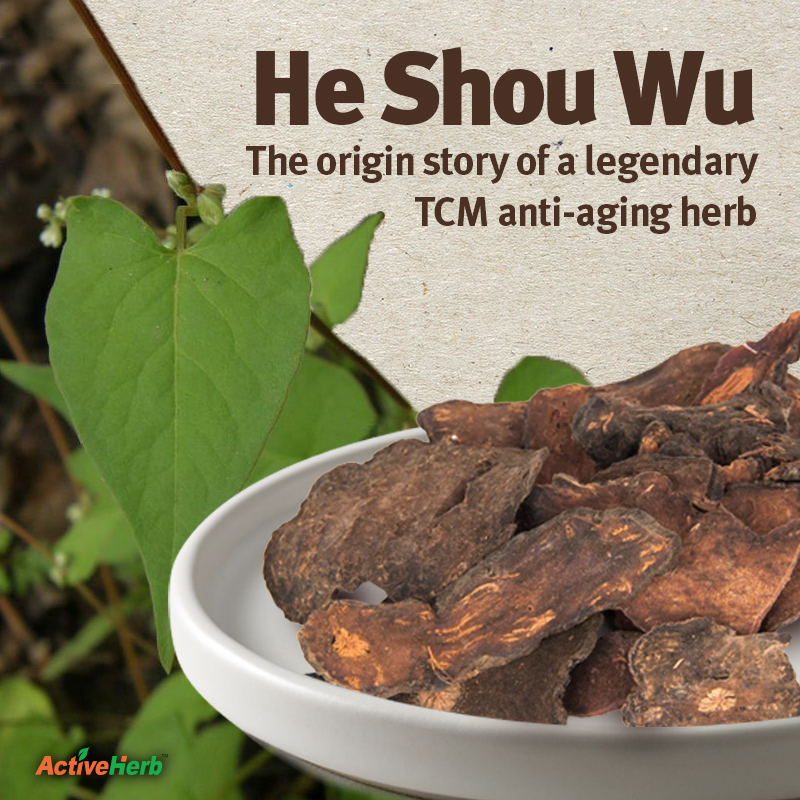
Tonic herbs such as He Shou Wu, ginseng, reishi, cordyceps and rhodiola support deeper reserves. (These herbs are classified by modern Western herbalists as “adaptogens” because they help the body adapt to stress.)
Ultimately, the only way to change your birth certificate is forgery. But how old you feel when you reach 60, 70 or 80 and beyond may be much more negotiable.
Other TCM Anti-Aging Articles You May Like:
These 5 TCM Anti Aging Tips May Help You Look Years Younger
Is Looking 10 Years Younger a Dream?
How To Live To 101 Using These 5 TCM Anti Aging Tips
Related Posts

About The Author
