



Is It Time For A TCM Organ Reset? Using the TCM Clock For Yin/Yang Balance
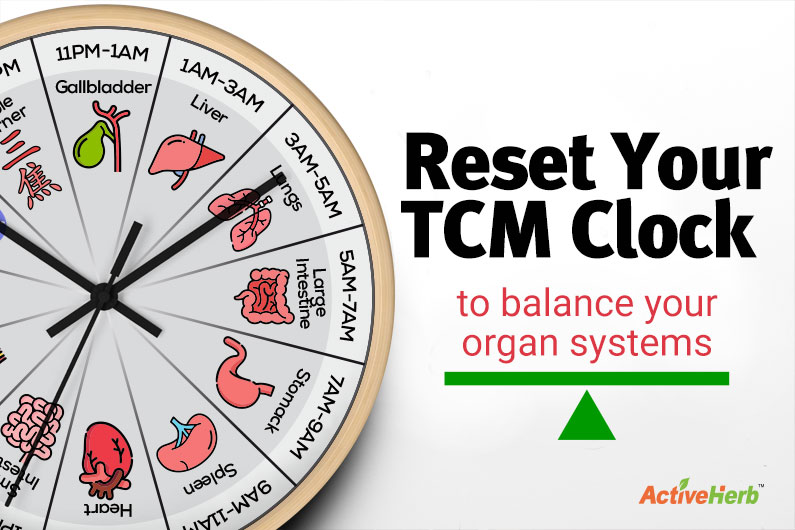
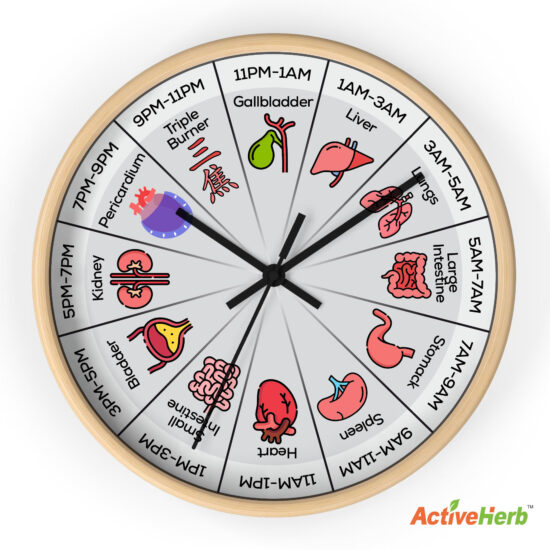
Your body doesn’t operate randomly. According to Traditional Chinese Medicine (TCM), every organ system has a two-hour window during the day when its Qi is at its peak. When that system is strong, you move through that time effortlessly. Your internal clock doesn’t need to function with the precision of a Swiss watchmaker, but when it’s noticeably off, your body lets you know.
In this update from our introductory blog post on the TCM clock, we’re shifting from theory to practice, focusing on how to bring your clock back into balance when certain organ systems are struggling, and what simple daily adjustments can help restore harmony.
Lungs | 3 a.m. – 5 a.m.
Common signs of imbalance: waking during this window, coughing, shallow breathing, frequent sighing, lingering grief, sadness, or difficulty letting go either physically or emotionally.
How to reset the clock:
This is meant to be the deepest sleep of the night. Staying up late, emotional overload, or dry indoor air can all tax Lung Qi. Aim for lights out by 10:30 p.m., prioritize nasal breathing during sleep, and avoid heavy meals or alcohol late at night. Gentle evening breathwork or a short gratitude practice before bed helps the Lungs release what they’ve been holding onto.
Herbal support:
There are several patterns of imbalance that may cause Lung Qi deficiency. Don’t assume that taking any TCM formula gives you a free pass to drink a few scotches before bedtime. However, in general, LungVigor™ (Bai He Gu Jin Pian) helps strengthen Lung Qi and support respiratory resilience.
—-> Find out which Lung support product may work best for your specific health concern.
Large Intestine | 5 a.m. – 7 a.m.
Common signs of imbalance: constipation, irregular bowel movements, bloating upon waking, mental rigidity, difficulty “moving on.”
How to reset the clock:
Your body wants to eliminate shortly after waking. Start the day with a warm glass of water, avoid rushing out the door, and allow time for a natural bowel movement. Morning light exposure and gentle movement (walking, stretching or Tai Chi) help activate Large Intestine Qi.
Herbal support:
Keep the bowels moving with Constipass™ (Tong Chang Pian).
Stomach | 7 a.m. – 9 a.m.
Common signs of imbalance: poor appetite, nausea, acid reflux, brain fog, reliance on caffeine instead of food.
How to reset the clock:

This is the best time of day to eat your most substantial meal. Skipping breakfast or relying solely on coffee weakens Stomach Qi over time. Choose warm, cooked foods such as soups, eggs and oats rather than cold smoothies or pastries. Eat without multitasking to support proper digestion.
Herbal support:
The formula name says it all: StomachVigor™ (Xiang Sha Yang Wei Pian).
—-> Explore more ActiveHerb.com digestive support formulas.
Spleen | 9 a.m. – 11 a.m.
Common signs of imbalance: bloating after meals, fatigue, overthinking, loose stools, sugar cravings.
How to reset the clock:
This is prime time for focused work and productivity. Avoid constant snacking and excess sweets, which burden the Spleen. If you notice mental looping or worry, take short grounding breaks. Warm foods and regular meal timing are key to rebuilding Spleen Qi.
Herbal support:
Revive your Spleen Qi with SpleenVive™ (Gui Pi Pian), which may also help calm the mind.
Heart | 11 a.m. – 1 p.m.
Common signs of imbalance: anxiety, restlessness, emotional volatility, palpitations, poor circulation.
How to reset the clock:
Midday is ideal for social connection and lightness, not intense multitasking. Eat a balanced lunch and avoid emotional overstimulation (don’t watch or listen to news!) A short walk after eating helps Heart Qi circulate and prevents afternoon crashes.
Herbal support:
Replenish your Blood and Yin, thereby supporting your TCM Heart system. Consider HeartVigor™ (Tian Wang Bu Xin Pian).
Small Intestine | 1 p.m. – 3 p.m.
Common signs of imbalance: afternoon fatigue, difficulty concentrating, bloating after lunch.
How to reset the clock:
This is when nutrients are sorted and absorbed. Instead of pushing harder, allow a brief rest period. Even 5–10 minutes of quiet or a short nap can dramatically improve energy and clarity later in the day.
Herbal support:
Want to digest your lunch better? Do so with EzDigest™ (Bao He Pian) for post-meal heaviness.
Bladder | 3 p.m. – 5 p.m.
Common signs of imbalance: stiffness, back tension, dehydration, mental fatigue.
How to reset the clock:
Hydration matters. But where many people go wrong is that they chug a large amount of water at one time, instead of taking small sips throughout the day. During this window, engage in light physical activity, stretching, or focused work. Avoid excessive caffeine late in the afternoon, which strains both Bladder and Kidneys.
Herbal support:
Try Wateroff™ (Wu Ling Pian) for urinary and fluid regulation
Kidney | 5 p.m. – 7 p.m.
Common signs of imbalance: low stamina, back soreness, fearfulness, poor recovery, early burnout.
How to reset the clock:
Evenings should be restorative, not draining. Avoid intense workouts late at night and prioritize nourishing dinners. Gentle walks, warm baths, and screen reduction all protect Kidney Jing.
Herbal support:
If you’re feeling depleted, one of the most honored, time-tested classic TCM formulas is Liu Wei Di Huang, aka YinVive™.
Pericardium | 7 p.m. – 9 p.m.
Common signs of imbalance: emotional guardedness, irritability, poor intimacy, overstimulation.
How to reset the clock:
The protective layer of the heart represents your emotional wind-down window. Reduce exposure to stressful media and connect with people you feel safe around. Light stretching, reading or calming rituals help protect the Heart through the Pericardium.
Herbal support:
Keep calm and carry on with SpiritCalm™ (An Shen Bu Xin Pian), yet another classic TCM formula in ActiveHerb.com’s Guang Ci Tang line.
Triple Burner | 9 p.m. – 11 p.m.
Common signs of imbalance: difficulty falling asleep, weak immunity, hormonal irregularity.
How to reset the clock:
This window is critical for immune and hormonal regulation. Aim to be asleep or at least in bed roughly by 10:30 p.m. Blue light exposure and late-night productivity are some of the fastest ways to disrupt this organ that’s akin to your body’s fluid transport system consisting of three interconnecting chambers that house all the visceral, physical organs of the body.
Herbal support:
If heat and dampness dominate, urinary tract health may decline, especially the ability to void urine. Get back in the flow with UTflow™ (Ba Zheng Pian). Please note that many patterns can cause imbalance in the Triple Burner; for best results consult with a TCM professional.
Gallbladder | 11 p.m. – 1 a.m.
Common signs of imbalance: indecision, bitterness, shallow sleep, poor fat digestion.
How to reset the clock:
Late nights and heavy foods block Gallbladder recovery. Let decisions rest until morning and allow this system to reset through deep sleep.
Herbal support:
You’ll be glad to have GallbladClear™ (Qing Dan Hua Jie Pian) for maintaining a normal gallbladder function.
Liver | 1 a.m. – 3 a.m.
Common signs of imbalance: waking during this window, irritability, headaches, red or dry eyes.
How to reset the clock:
Alcohol, stress, and late meals are the most common disruptors of this organ system that’s known in TCM theory as the master of emotions and the overall general of the organ systems. Support detoxification and overcome Liver Qi stagnation by eating earlier, managing anger constructively, and keeping nighttime calm and predictable.
Herbal support:
Lots of TCM formulas to choose from, depending on your specific patterns. But a good starting point is EaseTonic or EaseTonic Plus
Conclusion
The Chinese organ system isn’t about having every single organ system working with atomic clock precision. In this day and age, 100% operating function is next to impossible. Rather, the goal is awareness. When symptoms show up at the same time again and again, your body is offering valuable information. With small timing adjustments and the right herbal support, you can reset your internal rhythm and let each organ system do what it was designed to do, naturally and efficiently.
Related Posts




About The Author
