



What is Traditional Chinese Medicine? An Intro Guide to TCM
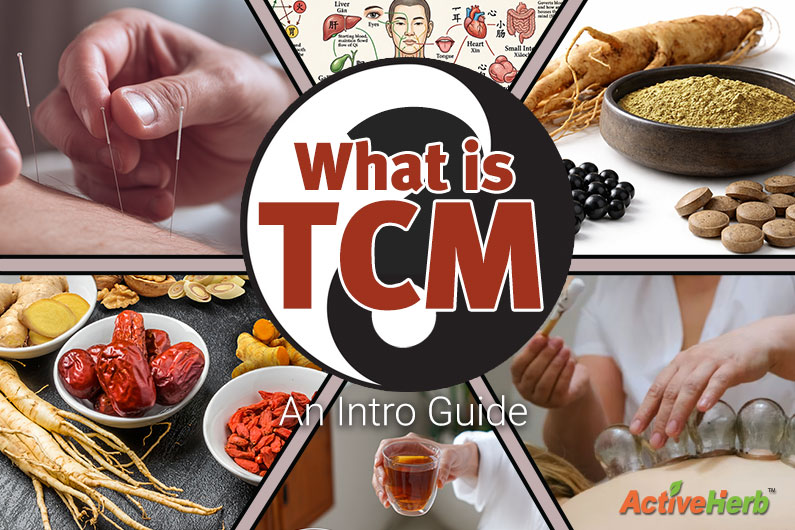
Venture off a busy Chinatown street in San Francisco, LA or New York and step into a back-alley Chinese herbal medicine shop. It feels like you’re stepping back in time. Floor-to-ceiling wooden drawers line the walls, each labeled in neat Chinese characters. The drawers contain dried roots, bark, berries, flowers and fungi. Some are knotted and twisted, others sliced thin like botanical coins. Behind the counter, an elderly herbalist confers quietly with a customer. His wife scoops measured portions of herbs onto a scale, folding them into brown paper packets, tying them with twine.
Advice is dispensed as carefully as the medicine itself: how to brew the herbs, when to drink them, what foods to avoid, how long to take the formula. This is no CVS or Walgreens retail pharmacy for the masses; it’s personalized medicine crafted for one person at one moment in time.
“Get to the point” about Traditional Chinese Medicine
Meanwhile, in a quiet neighborhood clinic in anytown USA, a patient lies comfortably on their back. The patient’s chief complaint is digestion (bloating, heaviness, discomfort after meals). A licensed acupuncturist (L.Ac.) palpates the patient’s abdomen, checks their pulse at the wrist and examines the tongue’s coloration, texture and coating. Then, with steady hands, the acupuncturist inserts needles just below the surface of the skin at specific energetic points of the body: ST36 (Zusanli) below the knee to support digestive strength, CV12 (Zhongwan) at the center of the abdomen to harmonize the stomach, and SP6 (Sanyinjiao) near the ankle to regulate digestion and fluid metabolism.
The room is still. After a few minutes, the patient breathes more deeply. Shift happens in the patient’s body. The shift is not dramatic, but it’s perceptible. The acupuncturist has helped the patient restore balance instead of chasing symptoms.
No need to call the cops, it’s just TCM
An Olympic swimmer swings his arm back and forth in preparation for a 100-meter butterfly medal round. His back looks like he’s been in a car wreck. Dark-purple circular marks bloom across his shoulders and back. But these aren’t abusive injuries. They’re the unmistakable imprint of cupping therapy, a Traditional Chinese Medicine technique used to move stagnant blood, release muscle tension and accelerate recovery.
Once relegated to back rooms and training facilities, cupping gained global visibility when elite athletes brought it to the world stage. What looks alarming to the uninitiated is, to practitioners of TCM, a visible sign of the body responding to treatment.
A “mug’s worth” of TCM therapy
In another setting, warmth radiates from a glowing bundle of dried mugwort held just above the skin. The heat penetrates deeply. The effects are simultaneously comforting and invigorating. This is moxibustion, a therapy used to warm meridians, strengthen vitality and dispel internal cold.
Now picture a spa setting where strong, rhythmic hands working along the body’s energetic channels (meridians), kneading muscles, mobilizing joints, and stimulating acupuncture points through touch. This isn’t a relaxing Swedish massage; it’s Tuina, a therapeutic form of Chinese medical massage that blends structural work with energetic regulation.
Take it easy with TCM
Finally, a CFO at a fast-growing tech company prepares for a high-stakes earnings call. Before the morning commute to the highrise, she pours hot water over instant extract granules of Suan Zao Ren (jujube seed), a Chinese herb that may help calm the mind. Later in the day, between meetings, the busy exec takes EaseTonic® capsules to help maintain emotional steadiness under pressure. This is centuries-old medicine adapted to modern life.
What is Traditional Chinese Medicine?
Quiz time. So which of the above is technically traditional Chinese medicine? Is it the herbal pharmacy in Chinatown? The acupuncture needles placed with intention? The cupping marks on an elite athlete’s back? The warming glow of moxibustion or the structural precision of Tuina, or the calming herbal tea before a corporate boardroom showdown?
The answer: All of them.
In the sections that follow, we’ll unpack how Traditional Chinese Medicine (TCM) works, its core principles, its view of health and disease, and why TCM continues to thrive in both ancient alleyways and modern boardrooms.
What Is the Definition of Traditional Chinese Medicine?
TCM is not a single therapy, product or practice. Instead, it’s a complete medical system with roots tracing back several millennia. The documented clinical use of TCM spans at least 2,000 years and may extend over 5,000 years.
Rather than isolating one symptom or one organ, TCM views the human body as an interconnected ecosystem. Health is understood as the result of dynamic relationships between organs, systems and the environment. Climate, lifestyle, emotions, diet, stress and even the passage of time are considered meaningful influences on health.
At its core, TCM operates through pattern recognition. Practitioners do not treat individual symptoms such as “a headache” or “acid reflux” as standalone problems. Instead, they identify patterns of imbalance that explain why those symptoms are occurring in the first place. Two people with the same Western diagnosis may receive entirely different treatments because their underlying patterns differ.
This makes TCM both systematic and individualized. It emphasizes balance, adaptation and prevention. TCM emphasizes balance, adaptation and prevention. It seeks to restore function rather than merely suppress symptoms.
In short, Traditional Chinese Medicine is a comprehensive framework for understanding health, one that sees the body not as a collection of parts, but as a living system in constant relationship with its surroundings.
A Brief History of TCM: From Ancient Intuition to Modern
Long before written language… long before dynasties and documented medical texts, early humans were experimenting with the natural world.

Prehistoric communities lived close to the land. They observed which plants soothed wounds, which roots eased digestive distress, which berries energized, and which mushrooms altered perception. Survival demanded attention. Patterns were noticed. Knowledge was passed orally, generation to generation. Not that it was especially difficult to stay attuned when there were no screens, no push notifications or social media feeds interrupting the “spiritual downloads.”
From a modern scientific standpoint, there’s no evidence that humans “communicated telepathically” with plants. But it is reasonable to imagine that early cultures, living without artificial light, digital distraction or urban noise were more attuned to subtle changes in their bodies and surroundings. What some describe metaphorically as “downloading information from the universe” may simply reflect heightened sensory awareness and sustained observation over centuries.
Out of that attentiveness emerged systems of pattern recognition.
One early interpretive lens was the Doctrine of Signatures. This is the idea that a plant’s shape, color or behavior hinted at its therapeutic use. For instance, a root resembling the human form might support vitality. A red berry might support the blood. While not scientific by modern standards, such symbolic associations helped organize herbal knowledge before laboratory chemistry existed.
Over time, intuitive knowledge matured into structured philosophy.
One of the most influential philosophical systems in early Chinese thought was Daoism (also spelled Taoism), a tradition centered on living in harmony with the Dao (often translated as “the Way”). The Dao refers to the natural order of the universe: the rhythms of seasons, the balance of opposites, the constant movement and transformation of life. Rather than trying to control nature, Daoist philosophy emphasizes alignment with it.
Daoist thinkers articulated a worldview in which the human body mirrored the cosmos. The same forces governing seasons, climate shifts and planetary rhythms were believed to operate within the body. Health, therefore, was not mechanical. Rather, it was viewed as relational. In other words, the body is a microcosm of the universe.
These Daoist-inspired philosophies became codified in early medical texts. The Huangdi Neijing (Yellow Emperor’s Classic of Internal Medicine), compiled more than 2,000 years ago, laid out foundational theories of physiology, diagnosis and treatment that still influence practitioners today. The legendary and perhaps mythical figure Shennong, (the “Divine Farmer”) was credited in classical lore with tasting hundreds of herbs to catalog their effects, sometimes poisoning himself in the process. (Talk about being a lab rat!)
Myth and method intertwined. Observation became organized. Philosophy became medicine.
As dynasties rose and fell, TCM evolved. Herbal formulas were refined. Acupuncture points were mapped more precisely. Diagnostic frameworks became increasingly systematic.
Fast-forward to the 20th and 21st centuries, and TCM continues to adapt.
The ancient method of preparing herbs involved simmering raw roots, bark and minerals for hours. This process can be messy, pungent and time-consuming. Today, modern extraction technology allows many traditional formulas to be concentrated into convenient extract granules, capsules and tablets without abandoning classical principles. What once required a stovetop and strong tolerance for bitter decoctions can now be prepared in seconds with hot water and a mug or a quick swallow.
The old way still exists and many practitioners value preparing TCM the old-school way deeply. But innovation has made Traditional Chinese Medicine more accessible to people living fast-paced, modern lives.
From prehistoric plant observation to Daoist cosmology, from handwritten scrolls to stainless-steel extraction facilities, TCM has never been static; it has always evolved.
Key Principles of TCM: Qi, Yin-Yang and the Five Elements
If you want to sound like an expert on Traditional Chinese Medicine at a dinner party, all you need to do is learn a handful of top-level principles. These theories explain how the body functions, why imbalance develops and how health (balance) is restored. These concepts may sound philosophical at first, but within TCM they operate as practical diagnostic and therapeutic tools.
Qi (Vital Energy)
At the heart of TCM is Qi (pronounced “chee”), which you can think of the vital energy flowing through the universe and inside your body. Qi is not easily defined in Western biomedical terms, but it represents the functional activity of the body, i.e. movement, warmth, transformation of nutrients into energy, immune protection, and containment (hold things in place and regulate boundaries; for example, blood flowing within vessels).
When Qi flows smoothly, systems operate efficiently. However, when Qi becomes deficient, stagnant or rebellious (moving in the wrong direction), symptoms arise. Digestive sluggishness, fatigue, headaches and emotional irritability can all be understood through the lens of Qi status. Treatment in TCM often focuses on tonifying (strengthening), moving or regulating Qi rather than pressing the nuclear option to suppress symptoms.
Yin and Yang

If Qi describes movement, Yin and Yang describe balance.
Yin and Yang are complementary forces that define all processes in nature: cold and heat, rest and activity, structure and function, inward and outward. They are not rigid opposites locked in permanent conflict. Instead, they are interdependent and constantly transforming into one another.
Night (Yin), for example, gradually gives rise to day (Yang). Activity (Yang) eventually requires rest (Yin). Even within heat there is the seed of cooling, and within stillness the potential for motion.
Health exists when Yin and Yang remain in dynamic equilibrium. Illness emerges when one becomes excessive or deficient relative to the other. For instance, excess internal heat may manifest as inflammation or irritability, while excess cold may show up as sluggish digestion or unexplainable tiredness. TCM treatment seeks not to eliminate one force, but to restore their appropriate relationship.
The Five Elements
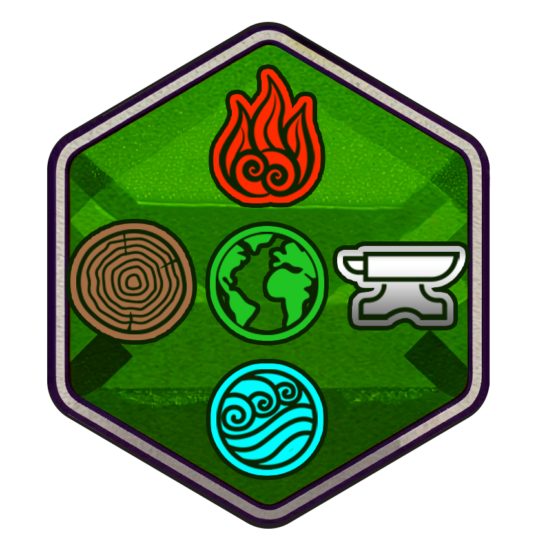
The Five Elements — Wood, Fire, Earth, Metal, Water — describe patterns of relationship within the body. Each Element corresponds to the organ systems of Chinese medicine, emotional tendencies, seasons, climates, colors and flavors.
Rather than viewing organs as isolated mechanical/anatomical parts, the Five Element framework explains how systems support and regulate one another. When one Element becomes weak or excessive, it can disrupt the entire network. This relational model helps practitioners understand complex symptom pictures that don’t fit neatly into a single diagnosis.
Meridians (The Body’s Communication Network)
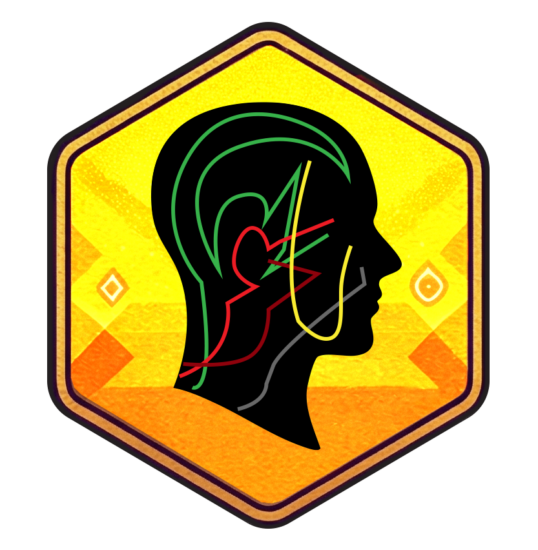
TCM maps the flow of Qi through pathways known as meridians. These channels connect internal organs to the surface of the body and to one another. Acupuncture points lie along these meridians, allowing practitioners to influence systemic function from specific access points.
You can think of meridians as the body’s internal wiring system. Just as electricity travels through wires to power lights, appliances and devices throughout a house, Qi flows through meridians to energize and regulate organs and tissues throughout the body. If a wire is damaged or the current is disrupted, the light flickers or goes out. Similarly, if Qi becomes blocked or weak along a meridian, symptoms may appear in seemingly distant areas of the body.
You don’t see the wiring behind the walls, but you know it’s there because everything works when the current flows properly.
Meridians are not visible anatomical structures like nerves or blood vessels. Rather, they are functional pathways, a communication network that coordinates circulation, sensation and regulation throughout the body.
Research using MRI, infrared imaging, and neurophysiological mapping suggests that acupuncture points may correspond to areas of increased vascular and neural density. This raises the possibility that meridians are functional pathways grounded in biology rather than esoteric philosophy.
The Six Evils (External Pathogenic Influences)

In TCM, environmental factors can disrupt balance. The so-called Six Evils — Wind, Cold, Heat, Dampness, Dryness, Summer Heat — describe climatic influences that penetrate the body and generate patterns of disease.
These are not moral evils, but environmental stressors. A person exposed to cold wind may develop stiffness and chills, especially if they have a weak defensive Qi (“Wei Qi;” loose translation: immune system). Excess dampness in the environment may manifest internally as heaviness or fluid retention. The Six Evils framework emphasizes the body’s relationship to climate and seasonal change.
Constitutional Types

Not everyone responds to stress, or other inputs like food in the same way. TCM recognizes nine constitutional types. These character blueprints define how individuals are born with certain strengths, tendencies and vulnerabilities.
Some people naturally run warm; others tend toward cold. Some have robust digestion; others are easily depleted. Understanding constitution allows treatment to be preventive and personalized, rather than reactive.
How TCM Diagnoses Illness and Imbalance
In TCM, there’s no 130/80 blood pressure reading or an MRI that reveals a herniated disc or a cholesterol panel flagged in red. Rather than beginning with lab values or imaging scans, TCM practitioners rely on four classical diagnostic methods: observation, listening and smelling, inquiry and palpation. Together, these tools help identify patterns of disharmony within the body.
Observation
Observation begins the moment a patient enters the room. Complexion, posture, voice tone, eye brightness, and emotional expression all provide clues. The most well-known observational tool is tongue diagnosis. Practitioners assess the tongue’s color, shape, coating and moisture. A pale tongue may suggest deficiency. A red tongue may indicate heat. A thick, greasy coating may point toward dampness. The tongue serves as a visible map of internal function.
Listening and Smelling
Subtle details matter, such as the quality of a cough or the strength of the voice. Even body odor can provide diagnostic insight. These sensory cues help practitioners understand internal patterns that may not yet show up on conventional tests.
Inquiry
TCM inquiry is systematic and detailed. Questions extend beyond the chief complaint to include digestion, sleep, temperature preference, perspiration, emotional tendencies, menstrual cycles, appetite and more. Two people with “acid reflux,” for example, may present entirely different underlying patterns when examined through this lens.
Palpation
Palpation includes abdominal assessment and, most famously, pulse diagnosis. Unlike the Western pulse, which focuses primarily on rate and rhythm, the TCM pulse evaluates depth, strength, quality and subtle characteristics across multiple positions corresponding to organ systems. A wiry pulse feels different from a slippery pulse. A weak pulse conveys something entirely different than a forceful one.
Pattern Differentiation: The Core of TCM Diagnosis

After gathering diagnostic information, the TCM practitioner identifies a pattern of disharmony. This process is known as pattern differentiation.
Rather than labeling someone with a disease name alone, TCM asks:
- Is there deficiency or excess?
- Is there heat or cold?
- Is Qi stagnant or deficient?
- Are fluids accumulating?
The diagnosis becomes a dynamic description of imbalance rather than a static label.
This is why two people with the same Western diagnosis may receive entirely different treatments in TCM. The system treats patterns instead of isolated symptoms.
This is not to suggest that TCM and Western medicine are incompatible. On the contrary, many practitioners today integrate both approaches. Western diagnostics can identify structural damage, infection or measurable biochemical changes with extraordinary precision. TCM offers a complementary lens that focuses on functional imbalance, regulation and prevention. Together, Western allopathic medicine and Eastern traditional medicine can provide a more complete understanding of health than either system alone.
Can You Use TCM If You’re Not Seeing a Practitioner?
While in-person diagnosis offers the most individualized care, many people today incorporate TCM into their lives through carefully formulated herbal products. These commercial Chinese medicine herbs and formulas (see below) are suggested around common patterns.
For example, Gastropeace is formulated to support digestive imbalance patterns involving stomach discomfort and irritability, while JointsJoy supports joint and mobility patterns often associated with cold and damp obstruction (example: difficulty playing pickleball outside in Seattle in the winter). Another example is MooDelight, which supports emotional steadiness and calm.
These formulas are not one-size-fits-all. They are classical herbal combinations designed around well-established TCM patterns. Product indications typically describe the chief health concern they are intended to address. This generalization helps consumers choose support aligned with their primary imbalance.
In this way, even outside of a clinic setting, TCM remains rooted in its original principle: identify the pattern, then restore balance.
What Conditions Can TCM Help With?
It might be easier to list what Traditional Chinese Medicine doesn’t address.
For at least 2,000 years, TCM has supported a wide range of health concerns, from everyday discomforts to complex, chronic conditions. While it is not a replacement for emergency care or surgery, its strength lies in restoring functional balance across multiple systems.
Here are some of the most common reasons people turn to TCM:
Pain and Musculoskeletal Issues
TCM approaches pain through the concept of stagnation. Is Qi flow obstructed or is it blood, or both? TCM aims to improve circulation and reduce obstruction.
Digestive Health
What’s your main digestive concern? Bloating, acid reflux, irregular bowel movements, food sensitivities, sluggish digestion?
Rather than treating “the stomach” in isolation, TCM evaluates digestive function as part of a broader systemic pattern. Herbal formulas and dietary guidance are commonly used to regulate digestive Qi and fluid metabolism.
Stress, Mood, and Emotional Regulation
There’s a lot these days to make you irritable, anxious and emotionally overwhelmed.
TCM does not separate mental health from physical health. Emotional strain is understood as something that directly influences organ function (TCM organs) and energy flow. Certain classical formulas and acupuncture protocols are designed to promote calm and emotional steadiness.
Sleep Support
TCM views sleep disturbances through patterns of excess heat, deficiency or internal agitation (Liver Yang rising). To restore balance, TCM first calms the mind while nourishing underlying deficiencies that may contribute to restlessness.
Immune and Seasonal Support
Are you someone who is proactive about your immune system all-year long? Or do you wait until illness strikes to purchase medicine? In TCM, it doesn’t matter what time of year it is in regards to supporting the Defensive (“Wei”) Qi. Wei Qi circulates near the skin’s surface and helps regulate the opening and closing of the pores, controlling sweat and protecting against environmental pathogens. Strong Wei Qi supports resilience, whereas weak Wei Qi leaves the body more vulnerable to illness.
Persistent and Functional Conditions
Hormonal irregularities. Persistent fatigue. Menstrual discomfort. Head discomfort. Skin flare-ups that come and go without clear explanation.
These are often the kinds of issues that fall into the gray zone of modern medicine; they are not severe enough to require surgery or hospitalization, but disruptive enough to affect quality of life. While your lab results may appear “normal,” you feel off.
This is where TCM’s pattern-based approach becomes a potential X-factor. Rather than isolating one symptom at a time, TCM asks what underlying imbalance could be linking them. For example, fatigue, digestive sluggishness and menstrual irregularity might all stem from a common deficiency pattern. Similarly, headaches, irritability, and skin eruptions may share a different root imbalance.
By identifying and addressing the broader pattern, TCM may improve multiple symptoms within a single treatment strategy.
However, TCM is not a substitute for emergency medical care. Broken bones, acute infections, and surgical conditions require appropriate biomedical intervention.
Common TCM Treatment Modalities
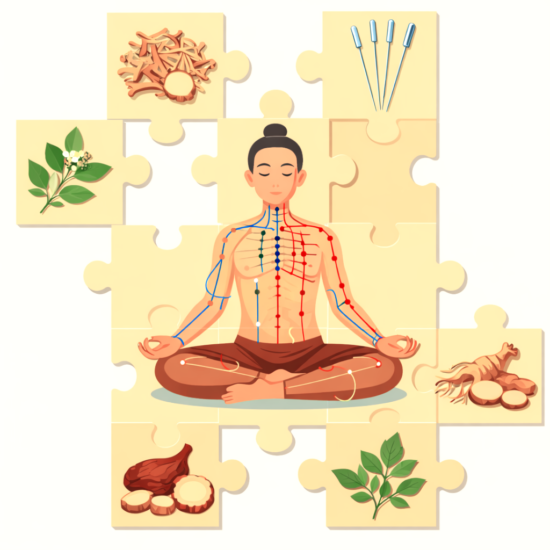
TCM doesn’t take a “take one pill and call me in the morning” approach. Instead, it layers interventions internally, externally, structurally and energetically. Let’s explore the spokes of the TCM wheel….
Chinese Herbal Medicine
For thousands of years, physicians have used carefully constructed botanical formulas to regulate digestion, calm the mind, strengthen vitality, move circulation, and correct internal imbalance. Herbs are not prescribed casually or randomly. They are selected based on pattern differentiation.
Chinese herbal formulas are like symphonies. A classical formula (no pun intended) typically includes a chief herb (the conductor, if you will) that directs the primary therapeutic action, deputy herbs (the first-chair instrumentalists) that reinforce and expand the main theme, assistant herbs (the supporting ensemble) that harmonize the formula and soften potential harshness, and sometimes an envoy herb (the section leader) that guides the entire composition to specific meridians of the body.
This layered design reflects the systems-thinking nature of TCM. Rather than isolating one biochemical pathway, formulas influence multiple physiological processes at once: digestion, circulation, fluid metabolism, nervous system regulation and immune resilience, depending on the pattern being treated.
For example, a formula designed to address digestive discomfort may not only regulate stomach function, but also calm irritability, move stagnation and resolve fluid accumulation, if those patterns are present (as seen in classical formulas like Ban Xia Xie Xin Tang (the aforementioned Gastropeace, which simultaneously harmonizes the Stomach, directs rebellious Qi downward, and clears mixed heat and cold). In TCM, symptoms rarely exist in isolation, so treatment rarely does either.
From Bitter Brews to Modern Convenience
Preparation methods have evolved over time. Traditionally, raw herbs are simmered into decoctions, which are often bitter, aromatic and time-intensive to prepare. Today, many classical formulas are available as concentrated extract granules (with scooper provided), capsules, teapills, or tablets. Extract granules are typically several times more concentrated than raw decoctions by weight, allowing smaller doses to deliver equivalent therapeutic potency while making daily use more practical for modern life.
What has not changed is the guiding principle: identify the pattern, then select or construct the formula that restores balance.
Unlike many modern interventions that aim to suppress a single symptom, Chinese herbal medicine seeks to recalibrate the internal environment so that symptoms resolve as balance returns.
Acupuncture and Acupressure
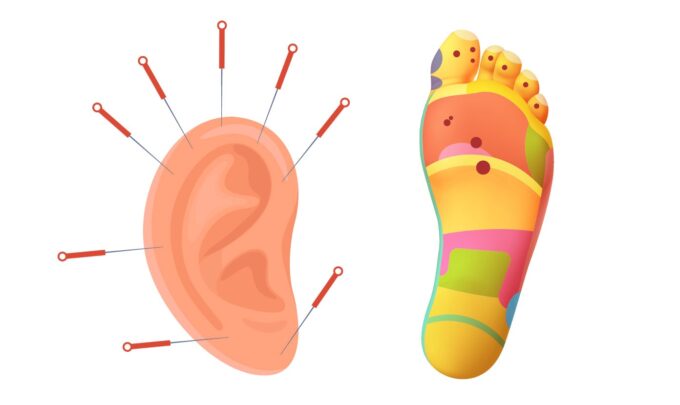
If Chinese herbal medicine works internally, acupuncture regulates through the body’s communication network.
Acupuncture involves the insertion of ultra-fine, sterile needles into specific points along meridians, the functional pathways through which Qi circulates. While ancient physicians described this process in energetic language, modern research (such as this study in The Journal of Antiinflammatory Research) suggests acupuncture may influence neural signaling, connective tissue planes, microcirculation and inflammatory mediators.
In other words, acupuncture may help improve circulation, calm overactive nerves and reduce inflammation.
How do acupuncturists determine point selection? Point selection is never random. Just as herbal formulas are chosen based on pattern differentiation, acupuncture treatment follows the same logic. A headache caused by Liver Qi stagnation is treated differently than one caused by blood deficiency. Sleeplessness due to excess internal heat is approached differently than that rooted in depletion.
In this way, acupuncture is regulatory rather than suppressive. Instead of numbing pain or forcing a biological pathway in one direction, acupuncture normalizes function.From a physiological perspective, needling specific points may activate sensory nerves, influence spinal cord signaling and modulate central nervous system (CNS) activity. This may help explain why acupuncture can affect not only pain, but digestion, stress resilience, sleep quality, hormonal balance and immune response.
For those who pass out just at the sight of needles or who are otherwise uncomfortable getting poked, acupressure applies the same point-based principles using manual pressure. By stimulating key points with fingers or massage tools, individuals can engage the meridian system at home. What remains consistent is the objective: restore smooth communication within the body so that regulation replaces dysfunction.
Cupping
Cupping therapy entered mainstream awareness during the 2016 Summer Olympics, when viewers around the world asked the same question: “What are those dark circles on Michael Phelps’ back?”
Those marks were not injuries. They were the temporary imprint of cupping therapy, an ancient modality that moves stagnant blood and Qi. As Phelps himself explained, cupping helped relax his muscles, improve flexibility and support recovery between his record-breaking 23 gold-medal-winning races.
Cupping works by creating suction on the skin, drawing blood toward the surface and stimulating circulation in deeper tissue layers. From a TCM perspective, this helps resolve blood stasis. This pattern presents with sharp pain, tight muscles and limited mobility. Rather than viewing the circular discoloration as trauma, TCM interprets it as a visible sign that stagnation has been mobilized (and that the therapy is working).
In modern life, blood stagnation doesn’t only affect Olympic swimmers. Long hours at a desk, repetitive strain, emotional tension and poor circulation can all contribute to the same pattern.
Not into having bruise marks all over your body? Herbal formulas designed to invigorate blood and unblock Qi, such as StasisClear, offer a less visible approach to supporting circulation and resolving stagnation.
Moxibustion and Tuina
If cupping moves stagnation, moxibustion adds warmth.
Using dried mugwort (Artemisia), moxibustion applies therapeutic heat to specific points or regions of the body. TCM practitioners reach for this tool with patterns involving cold and deficiency, where circulation needs encouragement rather than dispersion.
Meanwhile, if you’re craving a spa day, consider seeing someone who knows Tuina. You can think of Tuina as TCM massage. More accurately, it’s therapeutic bodywork. Through rhythmic pressure, joint mobilization and meridian stimulation, tuina restores structural alignment and energetic flow.
Qi Gong and Tai Chi
Not all TCM interventions require a practitioner. Qi Gong and Tai Chi combine controlled breathing, intentional movement, and focused awareness to cultivate internal balance. These “moving meditation” practices support circulation, coordination and nervous system regulation.
Chinese Herbs: How They Work and What They Do
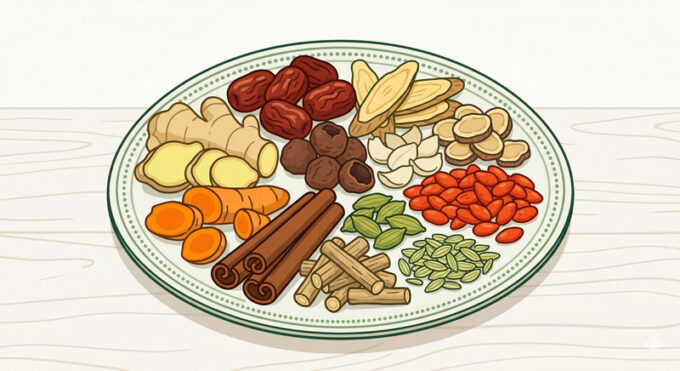
Pinyin is the Romanized spelling system used to transliterate Chinese characters into English letters. Certain Pinyin names sound exotic enough. But try on the English translations of TCM hers for size and they are no less intriguing: Dragon’s Blood. White Peony Root. Oldenlandia. Fo-ti, just to name a few.
These don’t exactly sound like botanicals you’d toss into a morning smoothie.
Yet here’s the twist….
While many herbs may seem unfamiliar, a surprising number are already in your kitchen cabinet, such as:
- Ginger.
- Turmeric.
- Cinnamon.
- Licorice root.
- Cardamom.
- Fennel.
- Goji berries.
Eastern Formulas vs. Western Herbalism
Even though there’s crossover between herbs used in the West and those in TCM, the big difference between the two systems is how the plant is used.
TCM draws from a pharmacopeia of roughly 200–300 commonly used herbs (with thousands recorded historically). These herbs are rarely prescribed in isolation. Instead, they are combined into structured formulas designed to regulate patterns of imbalance within the body.
This is where Chinese herbal medicine begins to diverge sharply from most Western herbal traditions.
In Western herbalism, herbs are often used individually. Think chamomile for relaxation, ginger for nausea or turmeric for inflammation. One herb, one primary action.
Comparatively, Chinese herbal medicine thinks in systems.
Rather than prescribing a single plant for a single symptom, TCM uses multi-herb formulas that regulate patterns of imbalance. A formula may contain anywhere from a few to upwards of 20 ingredients, each chosen not only for its individual properties but for how it interacts with the others.
For example, let’s take one of the simplest yet most effective, time-tested formulas. Many people in the West use Jade Defender to support the immune system. Classically known as Yu Ping Feng San (rough translation: Jade Screen), it combines just three herbs.
- Huang Qi strengthens defensive Qi
- Bai Zhu supports digestive vitality and proper fluid metabolism
- Fang Feng stabilizes the body’s exterior against environmental stressors.
Together, the trio of TCM herbs form a coordinated strategy: strengthen from within while protecting from without.
The goal of Chinese herbs is not simply to “knock down inflammation” or “boost immunity.”
It is to restore internal balance across interconnected systems. Individually, each herb has a distinct action. Together, the sum of Chinese herb in a formula is often greater than their individual parts.
Most Common Chinese Herbs Used In TCM Formulas
Chinese herbs and formulas are organized by functional categories such as (Qi tonics, Blood tonics, Damp resolvers, Qi regulators, etc. These categories reinforce pattern-based thinking instead of symptom-chasing. A handful of the most common Chinese herbs in TCM formulas include:
- Huang Qi (Astragalus Root): Expels toxicity and Damp-Heat, tonifies (strengthens) Qi.
- Gan Cao (Licorice Root): Harmonizes formulas, moderates harsh properties, tonifies Qi, soothes spasms.
- Dang Gui (Chinese Angelica Root): Nourishes and invigorates Blood. Common in formulas for menstrual health, circulation and dryness.
- Bai Zhu (Atractylodes Rhizome): Supports digestion and fluid metabolism by strengthening Spleen Qi and drying Dampness.
- Fu Ling (Poria Mushroom): Common supporting herb that helps calm the spirit, supports fluid metabolism and digestion.
Chinese Herbs: Formulas Across Dynasties Still In Use Today
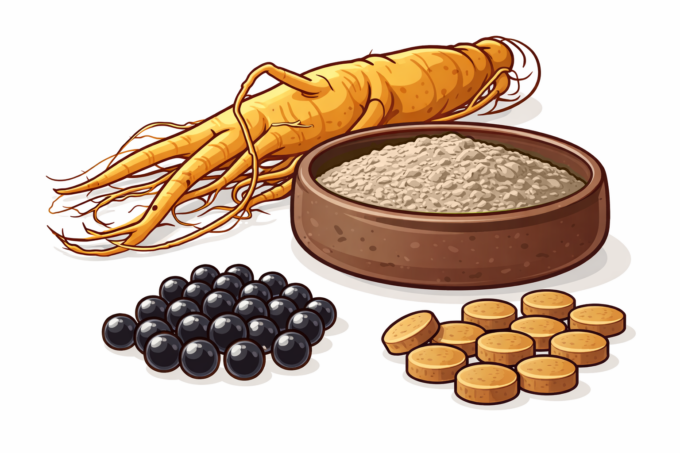
Some Chinese herbal formulas trace their origins back nearly two millennia, preserved in foundational medical texts such as the Shang Han Lun (Treatise on Cold Damage) and the Jin Gui Yao Lue (Essential Prescriptions from the Golden Cabinet).
Others are relative newcomers, developed several centuries later as physicians refined, modified and expanded earlier prescriptions.
What ties all of these formulas together is pattern differentiation, thoughtful formula architecture and the pursuit of internal balance. Across dynasties and generations, the guiding principle has remained consistent: identify the imbalance, select the appropriate combination of herbs and restore harmony within the whole system.
Which Chinese Herbal Medicine Format Is Best?
Just as you’d find capsules, tablets, softgels, powders and liquid extracts lining the shelves of a chain drug store, Traditional Chinese Medicine also offers herbal formulas in a variety of formats.
The difference isn’t only what you take, it’s how it’s prepared.
Raw Herbs (Decoctions)
If you like doing things old school, this is the format for you. The most traditional method involves prescribing raw herbs to be simmered into a decoction. Roots, bark, seeds and minerals are boiled in water for 20–60 minutes, sometimes longer, to extract their active constituents.
This method allows for maximum customization. A practitioner can modify the formula week to week, adjusting individual herbs based on how the pattern evolves.
However, decoctions require time, equipment and a tolerance for strong aromas and bitter flavors. For many modern households, daily stovetop preparation is simply not practical.
Teapills and Tablets
Teapills are small, concentrated herbal pills traditionally made by combining powdered herbs with a minimal binder. Tablets follow a similar principle but are typically more compact and standardized.
These formats are portable, easy to dose and widely used for classical formulas. They provide consistency from batch to batch and eliminate the need for cooking.
Extract Granules
Extract granules represent one of the most popular modern adaptations of TCM herbal medicine. Through controlled extraction processes, active constituents are concentrated into a fine powder at high concentrations that dissolves in hot water.
One gram of granules may represent several grams of raw herbs, depending on the concentration ratio. This allows patients to prepare a therapeutic herbal “tea” in seconds rather than hours.
For practitioners, granules offer flexibility for custom compounding. For consumers, they provide speed and simplicity.
Capsules
Capsules offer perhaps the most familiar format for Western consumers. Pre-measured doses allow for convenience, discretion and portability. There is no brewing, no measuring and no strong taste.
There is no universally “best” format. The optimal choice depends on the individual, the pattern being treated and lifestyle considerations. Raw decoctions offer deep customization. Granules and tablets offer precision and potency, while papsules offer simplicity and accessibility.
For the modern consumer balancing work, family and daily obligations, capsules, tablets and extract granules make it possible to incorporate centuries-old herbal medicine into contemporary life.
Are Chinese Herbs Safe And Effective?
As with Western supplements, with Chinese herbal supplements not all are created equal. Discerning American consumers are rightly concerned about products imported from China containing heavy metals, pesticides or other impurities. In fact, multiple studies have found that a significant portion of herbal medicines on the market may contain contaminants at or above safety thresholds, including lead, arsenic, cadmium and mercury, with up to about 30% of samples exhibiting at least one over-limit heavy metal according to Chinese Pharmacopoeia standards in one analysis.
Those findings are consistent with earlier research showing heavy metals and pesticides in some herbal products, and occasional reports of contamination serious enough to trigger recalls or warnings.
Therefore, consumers should do their due diligence and research a Chinese herbal supplier’s quality assurance statements, manufacturing standards and reputation among independent sources. This is where QUALITY ASSURANCE is vital in selecting safe and effective Chinese herbal products.
What is Quality Assurance?
Quality assurance is central to ensuring that Chinese herbal supplements are both safe and effective, and it begins long before raw herbs are bottled and sold.
At ActiveHerb, quality assurance is the foundational promise reflected in every step of product development:
Herb Safety Screening
Each potential ingredient is evaluated by experts before inclusion in any product. Dangerous substances such as aristolochic acid are identified and excluded. Every herb used in ActiveHerb and Guang Ci Tang® products must first pass rigorous safety evaluation.
Sourcing and Authentication
The quality of herbal medicine begins with the raw material. Herbs can vary greatly depending on soil, growing conditions and harvest methods. Unscrupulous merchants sometimes sell adulterated or misidentified plants. At ActiveHerb, partners are chosen based on reputation and adherence to strict standards. Authentication methods, including microscopy and Thin Layer Chromatography (TLC), ensure botanical identity and purity before herbs enter manufacturing.
Laboratory and Heavy Metal Testing
ActiveHerb products are manufactured under current Good Manufacturing Practices (cGMP) in facilities certified for pharmaceutical production, not just basic dietary supplements. Throughout the production process, extensive laboratory testing screens for heavy metals, microbes, pesticides and consistency. Heavy metal limits are kept well below stringent standards (e.g., lead and arsenic limits even lower than similar botanical drug guidelines). Certificates of Analysis accompany each batch.
Manufacturing Standards
All products are produced in cGMP-certified facilities recognized by both the U.S. FDA and international bodies such as PIC/S and the Australian TGA, reflecting the highest levels of quality control and traceability. Processes mirror ancient decoction practices while leveraging modern extraction technologies that retain active compounds without unnecessary fillers, binders or dyes.
These layers of quality control help ensure that what reaches you is authentic, potent and safe.
Where Can You Purchase Safe and Effective Traditional Chinese Herbal Medicine?
Online marketplaces and unregulated imports can contain products with unknown sourcing, unknown testing standards, or even unsafe contaminants.
This is why choosing a trusted supplier matters.
ActiveHerb.com has established itself as a recognized leader and gold standard in the TCM herbal market. For over two decades, we’ve built our reputation by prioritizing:
- Scientific rigor and traditional authenticity
- State-of-the-industry quality assurance
- Trusted partnerships with reputable growers and manufacturers
- Independent testing and Certificates of Analysis
- Potency and purity without unnecessary fillers
Whether you’re looking for classical formulas, modern extract granules, or trusted staples like Jade Defender, Gastropeace or Abdo StasisClear (to name just a few), ActiveHerb provides products that reflect both ancient knowledge and modern safety standards.
In a marketplace filled with varying levels of quality and transparency, choosing a supplier with a strong safety record and documented manufacturing standards is not just wise, it’s essential for your health.
Explore our full range of Chinese herbal formulas at ActiveHerb.com and choose products that are crafted with integrity, tested for purity, and designed to support your health with confidence.
What to Expect During Your First TCM Consultation

For someone new to Traditional Chinese Medicine, a first consultation can feel a little different from a typical doctor’s visit. There are no blood draws, imaging machines or lab slips at the start of the appointment. Instead, the practitioner gathers information using time-tested diagnostic methods designed to identify patterns of imbalance within the body.
Health History and Intake
The visit usually begins with a detailed conversation about your health history. Beyond your main concern, whether it’s digestive discomfort, sleep disturbances, joint pain or stress, a TCM practitioner will ask questions about seemingly unrelated aspects of your health.
You may be asked about:
- Appetite and digestion
- Sleep quality and dreaming
- Energy levels throughout the day
- Temperature preferences (do you run hot or cold?)
- Stress levels and emotional patterns
- Menstrual health (for women)
- Bowel movements and fluid intake
At first, these questions can seem unusual. But they help the practitioner identify the broader pattern behind your symptoms. In TCM, the goal is not simply to label a disease but to understand the body’s overall regulatory state.
As mentioned above, tongue observation and pulse diagnosis are the most common diagnostic tools in TCM. After tongue and pulse diagnosis, the TCM practitioner develops a treatment strategy based on pattern differentiation.
Treatment may include one or several modalities such as:
- Acupuncture
- Chinese herbal formulas
- Dietary recommendations
- Lifestyle adjustments
- Bodywork such as Tuina
- Breathing or movement practices like Qi Gong
In many cases, herbal formulas are adjusted over time as the body’s balance improves.
Integration with Western Medicine
Many TCM practitioners today work alongside Western medical care rather than in opposition to it.
Western diagnostics can identify structural problems, infections, or biochemical imbalances with diagnostic precision. Meanwhile, TCM contributes a complementary framework that focuses on functional balance, regulation and prevention.
It is increasingly common for individuals to incorporate acupuncture or herbal support while continuing conventional care under the guidance of their physician.
A Personalized Approach
Perhaps the most important takeaway from a TCM consultation is that treatment is rarely one-size-fits-all.
Two people with similar symptoms may receive entirely different treatments depending on their underlying pattern of imbalance. The goal is not simply to suppress discomfort but to restore the internal conditions that allow the body to regulate itself more effectively.
For many patients, this individualized approach is what makes Traditional Chinese Medicine both distinctive and enduring.
Explore ActiveHerb.com’s Best Sellers
We invite you to explore some of our most popular Chinese herbal formulas and TCM supplements, trusted by thousands of customers—and TCM practitioners—seeking natural support for balance and wellness.
FAQs: Common Questions About TCM
- Is TCM safe?
→ When practiced properly and when products are sourced from reputable manufacturers, Traditional Chinese Medicine is generally considered safe. In fact, many TCM therapies such as acupuncture, herbal medicine and therapeutic massage have been used for centuries and are widely practiced around the world today.
That said, safety depends on two major factors: proper diagnosis and product quality.
A trained practitioner will determine whether a particular herbal formula or treatment is appropriate for your pattern of imbalance. Just as with Western medicine, using the wrong intervention, even a natural one, can lead to unwanted effects.
The second factor is quality control. Not all herbal products on the global market meet strict safety standards. In some cases, poorly regulated supplements have been found to contain contaminants such as heavy metals, pesticides or adulterants. This is why choosing products manufactured under rigorous testing standards, including Good Manufacturing Practices (GMP), laboratory screening and third-party verification, is essential.
Consumers should always research the reputation and quality assurance practices of the brand they purchase from. Trusted companies provide transparency about sourcing, authentication, manufacturing standards and laboratory testing.
Choose a brand such as ActiveHerb.com, which not only meets but exceeds US standards. When herbs are correctly formulated, properly manufactured and used appropriately, Chinese herbal medicine has a long history of safe use.
- Does TCM work?
Many people report meaningful improvements in symptoms and overall wellbeing when using Traditional Chinese Medicine. From a historical perspective, TCM has been practiced for more than two millennia. Modern scientific research has also explored the effects of acupuncture and herbal formulas for areas such as pain management, digestion, sleep and stress regulation. TCM works through a different framework than Western medicine. Rather than targeting a single symptom or biochemical pathway, it seeks to restore functional balance across interconnected systems. Because of this systemic approach, individuals may notice improvements in multiple symptoms at once. While results vary depending on the individual and the condition being addressed, TCM continues to be widely used worldwide as both a primary and complementary form of care. - How long before I see results?
The timeline varies depending on the individual and the condition being addressed.
For relatively acute issues, such as digestive upset, minor sleep disturbances or temporary stress, some people notice changes within days or weeks. Chronic conditions that have developed over months or years typically require a longer period of support.
TCM focuses on gradual restoration of balance rather than rapid symptom suppression. As the underlying pattern improves, symptoms often change or diminish over time.
Consistency with treatment and lifestyle recommendations can play an important role in how quickly improvements occur.
- Can kids or pregnant women use Chinese herbs?
Certain Chinese herbs and formulas may be appropriate for children or during pregnancy, but these situations require extra caution and professional guidance.
Some herbs are traditionally used to support pregnancy or postpartum recovery, while others should be avoided. Likewise, children may require different formulas and dosages than adults.
For these reasons, individuals who are pregnant, nursing or seeking herbal support for children should consult a qualified healthcare professional or licensed TCM practitioner before using herbal formulas.
- What’s the difference between TCM and Western medicine?
Western medicine and Traditional Chinese Medicine approach health from different perspectives.
Western medicine tends to focus on structural and biochemical processes, using laboratory testing, imaging and targeted pharmaceutical interventions to diagnose and treat disease.
Traditional Chinese Medicine, by contrast, focuses on functional balance and systemic relationships within the body. Practitioners identify patterns of imbalance involving Qi, Yin and Yang, circulation, fluid metabolism and organ systems.
Today, many practitioners view the two systems as complementary rather than contradictory. Western medicine excels at emergency care, surgery and acute disease management, while TCM often emphasizes prevention, regulation and long-term balance.
- Do Chinese medicines contain animal ingredients?
Some traditional formulas historically included animal-derived ingredients such as shells, minerals or animal products.
However, many modern herbal formulas, especially those widely used in Western markets, are entirely plant-based. Increasingly, manufacturers focus on botanical ingredients and avoid animal materials due to ethical, sustainability and regulatory considerations.
Consumers who prefer plant-based products can usually find many suitable options by reviewing ingredient lists or purchasing from brands that emphasize botanical formulas.
- How do I find a trusted brand of Traditional Chinese herbal medicine?
Choosing a reputable supplier is one of the most important steps when purchasing Chinese herbal medicine.
Consumers should look for brands that demonstrate: - Transparent quality assurance and testing protocols
- Good Manufacturing Practice (GMP) certification
- Clear sourcing and botanical authentication procedures
- Laboratory testing for heavy metals, pesticides and microbes
- A strong reputation within the professional TCM community
Reading company quality statements, reviewing Certificates of Analysis and checking recognition within professional publications or practitioner communities can help identify trustworthy brands.
Ultimately, a reputable company should be able to clearly explain how its herbs are sourced, tested and manufactured, and stand behind the safety and consistency of its products.
References:
Li N, Guo Y, Gong Y, Zhang Y, Fan W, Yao K, Chen Z, Dou B, Lin X, Chen B, Chen Z, Xu Z, Lyu Z. The Anti-Inflammatory Actions and Mechanisms of Acupuncture from Acupoint to Target Organs via Neuro-Immune Regulation. J Inflamm Res. 2021 Dec 21;14:7191-7224.
Li S, Zhang B. Traditional Chinese medicine network pharmacology: theory, methodology and application. Chin J Nat Med. 2013;11(2):110-120.
Zhang R, Lao L, Ren K, Berman BM. Mechanisms of acupuncture–electroacupuncture on persistent pain. Anesthesiology. 2014 Feb;120(2):482-503.
Fan AY, Lao L, Zhang RX, Li J, Lee DY, Maeda T, et al. Effects of acupuncture on pain management in clinical practice: a review. J Altern Complement Med. 2017;23(10): 1-13.
Tang JL, Liu BY, Ma KW. Traditional Chinese medicine. Lancet. 2008 Dec 6;372(9654):1938-1940.
Xutian S, Zhang J, Louise W. New exploration and understanding of traditional Chinese medicine. Am J Chin Med. 2009;37(3):411-426.
Zhao Z, Guo P, Brand E. The formation of daodi medicinal materials. J Ethnopharmacol. 2012 Apr 10;140(3):476-481.
Efferth T, Kaina B. Toxicities by herbal medicines with emphasis to traditional Chinese medicine. Curr Drug Metab. 2011 Nov;12(10):989-996.
Ernst E. Toxic heavy metals and undeclared drugs in Asian herbal medicines. Trends Pharmacol Sci. 2002 Mar;23(3):136-139.
Related Posts
About The Author
